
The best mortgage lenders for first-time buyers are not the ones with the flashiest ads, they are the ones with real low-down-payment programs, honest fees, and a track record of actually closing on time. Here are eight worth comparing, with the genuine pros and cons of each.
What's Inside

The best mortgage lenders for first-time buyers share a few things in common: genuinely low down-payment programs, real down-payment assistance, and a process that does not leave you guessing about fees. No single lender is the best fit for everyone, your credit, your down payment savings, and whether you value in-person service or a fully online process all change the right answer.
Below are eight lenders that consistently show up across independent comparisons for 2026, with the honest strengths and drawbacks of each, not just the marketing copy.
Quick honesty note
This is education, not financial advice. Lender programs, rates, credit minimums, and grant amounts change frequently and vary by state. Always confirm current terms directly with the lender and get quotes from at least three sources before choosing.
How to Think About This Decision
Quick Comparison Table
Swipe to see more →
| Lender | Min. down payment | Min. credit score | Best for |
|---|---|---|---|
| Rocket Mortgage | 1% (conventional) | 580-620 | Low down payment, fully online |
| New American Funding | 3% | 620 | Down payment assistance |
| Guild Mortgage | 0-1% | Varies by program | Rate buydown, fast closing |
| PennyMac | 3.5% (FHA) | 580 (FHA) | FHA loan volume and expertise |
| Veterans United | 0% (VA) | Varies by program | Military and veteran buyers |
| Alliant Credit Union | Varies | Varies | Rate transparency, no pressure |
| Bank of America | 3% | Varies | Down payment grants, branch access |
| Zillow Home Loans | 3% | 620 | Wide loan variety |
The Lenders, Compared Honestly
Rocket Mortgage
Rocket's ONE+ program lets qualifying first-time buyers put down just 1% on a conventional loan, paired with a 2% lender-funded grant, without paying PMI. Its RentRewards program lets renters apply up to 10% of rent paid toward closing costs, up to $5,000. It was also the first lender to offer Freddie Mac's BorrowSmart Access program.
Pros
- Genuinely low 1% down payment option
- Rates published online for easy comparison
- Strong customer service ratings
Cons
- No physical branches, fully online/phone-based
New American Funding
Its Pathway to Homeownership initiative provides up to $6,000 in down payment and closing cost assistance for qualifying first-time buyers, alongside a wide range of online calculators and planning tools.
Pros
- Real, meaningful down payment assistance
- Wide loan variety
- Strong first-time buyer resources
Cons
- Assistance program eligibility varies by market and income
Guild Mortgage
Guild's Payment Advantage mortgage pays 1% of your interest rate for the first year, and if rates drop, you may be eligible to refinance with no lender fees. It also offers a 17-day closing guarantee, with a $500 closing-cost credit if it fails to close on time.
Pros
- Meaningful first-year rate reduction
- Fast closing guarantee with a real penalty for missing it
- Several down payment assistance programs
Cons
- Interest rates are not published online, making it harder to comparison shop upfront
PennyMac
PennyMac is the largest FHA lender by loan volume in the country, which matters if you are leaning toward an FHA loan and want a lender with deep experience in that specific process. It offers a rate buydown that can lower your rate by 1% for the first year, and a $1,000 credit toward closing costs upon pre-approval.
Pros
- Deep FHA loan expertise and volume
- Rate buydown and pre-approval credit
Cons
- One government data analysis found total loan costs ran higher than the median among comparable lenders, worth confirming against a current quote
Veterans United
The leading VA mortgage lender by volume, built specifically around military-connected borrowers, with free credit counseling available for those with lower credit scores.
Pros
- Deep VA loan specialization
- Free credit counseling resource
- Online and in-person options
Cons
- Loan selection is narrower and geared toward military-connected borrowers specifically
Alliant Credit Union
Alliant lets you see a wide range of customized mortgage rates without sharing your contact information, a genuinely useful feature if you want to compare rates without a flood of sales calls. You also do not need to become a member until you reach closing.
Pros
- See real rates without giving up your contact info
- Competitive combination of rates and fees
- No membership required to get a quote
Cons
- Narrower loan variety than a full-service national lender
Bank of America
Its Down Payment Grant provides 3% of the home's purchase price, up to $10,000, in select markets, and the bank consistently ranks near the top of J.D. Power customer satisfaction surveys.
Pros
- Real down payment grant in eligible markets
- Strong customer satisfaction track record
- Full branch network for in-person support
Cons
- Published sample rates are often based on an above-average credit score, so compare your actual quote rather than the advertised sample
Zillow Home Loans
Offers a strong variety of low-down-payment mortgages, including FHA and VA loans, plus conventional mortgages with down payments as low as 3%, with the added convenience of being built into the same platform many buyers already use for home search.
Pros
- Convenient integration with home search
- Solid range of low-down-payment options
Cons
- Not available in New York
Grants and Programs to Ask Every Lender About

- Lender-specific grants. Several major lenders, including Bank of America and Chase, offer grants worth thousands toward a down payment or closing costs in eligible markets.
- Fannie Mae HomeReady and Freddie Mac Home Possible. Conventional programs allowing as little as 3% down for qualifying low-to-moderate income borrowers, with a 620 credit score minimum.
- State and local first-time buyer programs. Many states and cities offer their own down payment assistance, often stackable with a lender's own program.
- Mortgage Credit Certificates (MCCs). A tax credit some first-time buyers qualify for, available separately from your loan through certain state programs.
Being classified as a first-time buyer for these programs usually just means you have not owned a home in the past three years, not that you have never owned one at all. It is always worth asking directly, since many of these programs are not prominently advertised. See the fuller picture in first-time home buyer guide.
How to Actually Compare Offers

- Get quotes from at least three to five lenders. Include a mix of a large national lender, a credit union, and an online-first option.
- Compare APR, not just the interest rate. APR reflects the total cost of the loan including fees, giving you a truer comparison than the headline rate alone.
- Ask directly about grants and assistance programs. Do not assume you will be offered one automatically.
- Check for a rate lock and its duration. Understand what protects your quoted rate while you shop for a home.
- Read reviews and check for complaints. The Consumer Financial Protection Bureau's public database is a useful, neutral source.
Common Mistakes (and How to Dodge Them)
- Comparing only the advertised rate. Fees and points can make a lower-rate loan more expensive overall. Always compare APR.
- Not asking about grants. Down payment assistance worth thousands often has to be requested, not offered automatically.
- Going with the first lender you talk to. Multiple quotes within a short window cost you almost nothing in credit impact and can save real money.
- Choosing based on brand recognition alone. A smaller online lender or credit union can beat a major bank on both rate and service.
- Ignoring the closing timeline. If your offer has a tight closing deadline, a lender's actual track record on speed matters as much as its rate.
Frequently Asked Questions
What is the best mortgage lender for a first-time buyer with a low down payment?
Rocket Mortgage's ONE+ program allows qualifying first-time buyers to put down just 1% on a conventional loan with a lender-funded grant and no PMI. Guild Mortgage also offers 0% and 1% down programs. The right fit still depends on your credit score and specific market, so compare a few low-down-payment lenders directly.
Should I use a bank, a credit union, or an online lender for my first mortgage?
Each has trade-offs. Banks like Bank of America offer branch access and sometimes valuable down payment grants. Credit unions like Alliant often offer competitive rates and fees with less sales pressure. Online lenders like Rocket Mortgage offer speed and convenience but no in-person option. Comparing at least one of each is a reasonable approach for most first-time buyers.
Are first-time homebuyer grants worth pursuing?
Yes, often significantly. Several major lenders and many state and local programs offer grants worth thousands of dollars toward a down payment or closing costs. These are frequently not advertised prominently, so it is worth asking every lender you speak with directly whether you qualify for any assistance programs.
What credit score do I need to qualify with these lenders?
It varies by lender and loan type. Conventional loans commonly require a 620 minimum, while FHA loans can go as low as 580 with 3.5% down, or 500 with 10% down through some lenders. VA loans often have no set minimum from the VA itself, though individual lenders may apply their own credit requirements.
How many mortgage lenders should I compare before choosing one?
Most experts recommend getting quotes from at least three to five lenders, including different types such as a national lender, a credit union, and an online-first option. Applying within a short window, commonly cited as 14 to 45 days, means the credit inquiries typically count as a single hard pull for scoring purposes.
Do I qualify as a first-time homebuyer if I owned a home years ago?
Often yes. Most first-time buyer programs define eligibility as not having owned a home in the past three years, not as never having owned one at all. If it has been a while since you last owned property, it is worth checking whether you qualify for first-time buyer programs and grants.
Compare Before You Commit
The best mortgage lender for a first-time buyer is rarely the first one you talk to. Compare at least three offers on APR, ask every lender directly about grants and down payment assistance, and weigh service style, online, in-person, or a mix, against your own preferences. A few hours of comparison shopping now can mean thousands saved over the life of your loan.
Take This Further
Books by Nwaeze David to help you build real wealth through property.
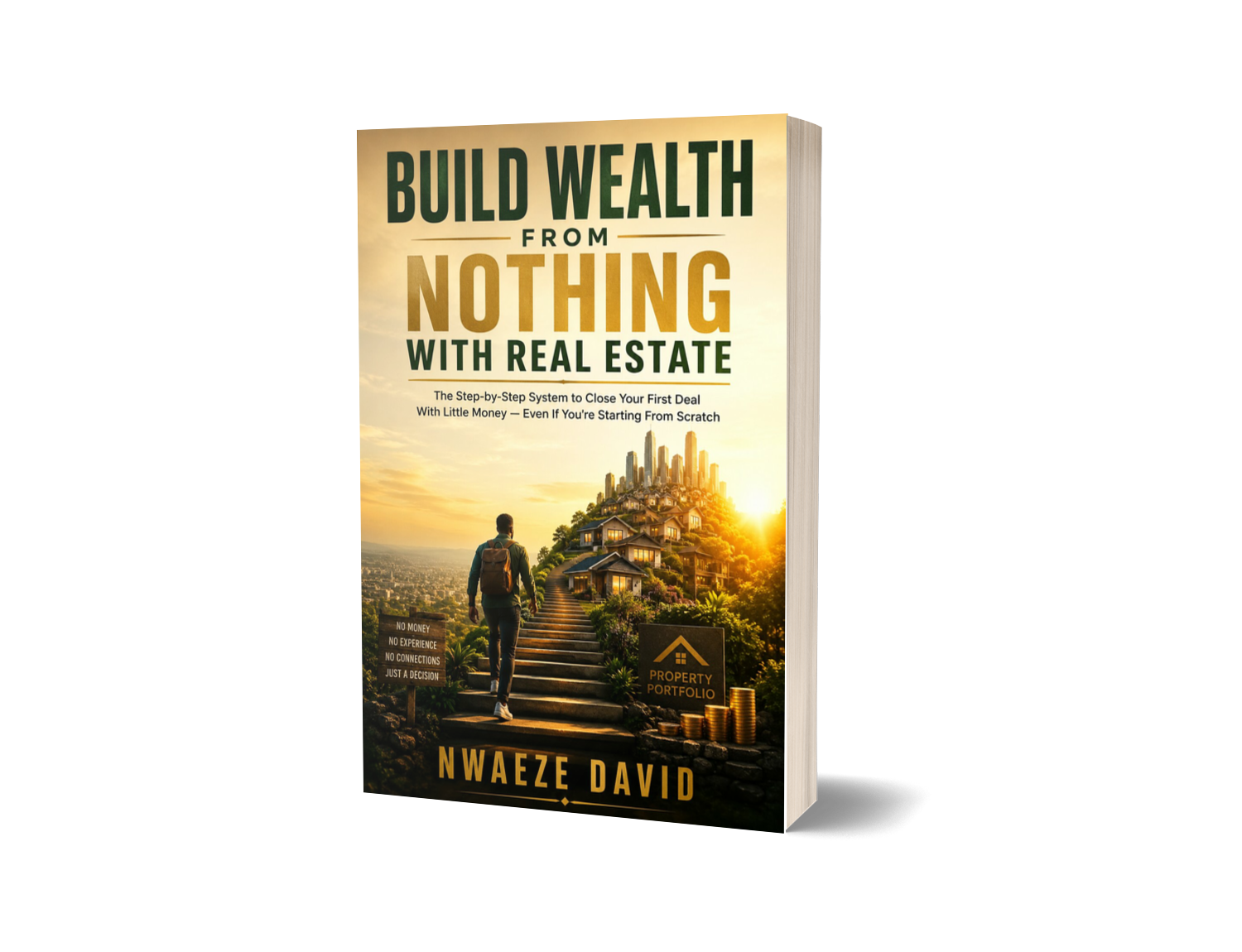
"You don't need a big deposit, perfect credit, or family money to build wealth in real estate. You need a system, the resourcefulness to work it, and the courage to start."
Get Your Copy →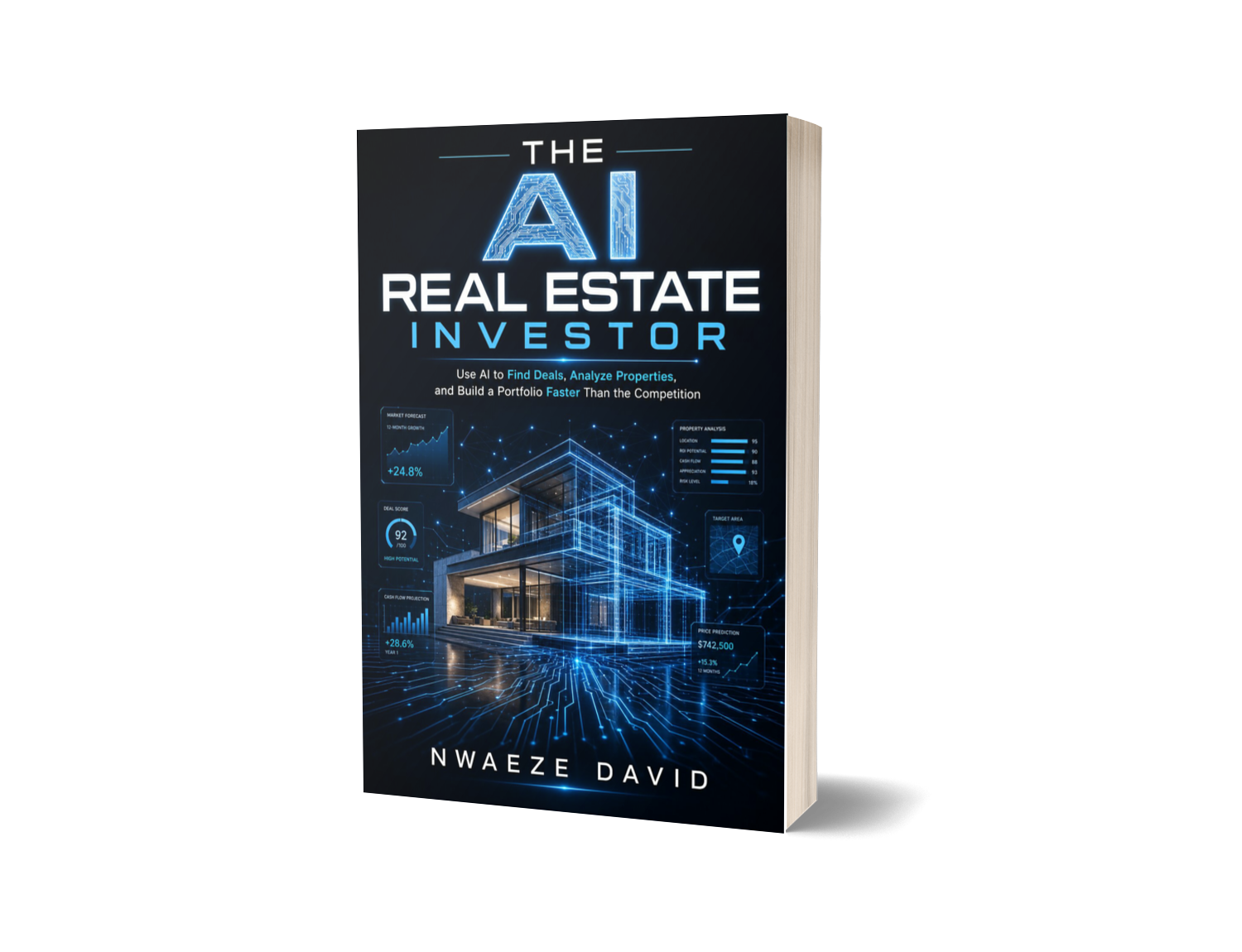
"The AI Real Estate Investor gives you that system. It shows you exactly how to point AI at the parts of your business that actually make money."
Get Your Copy →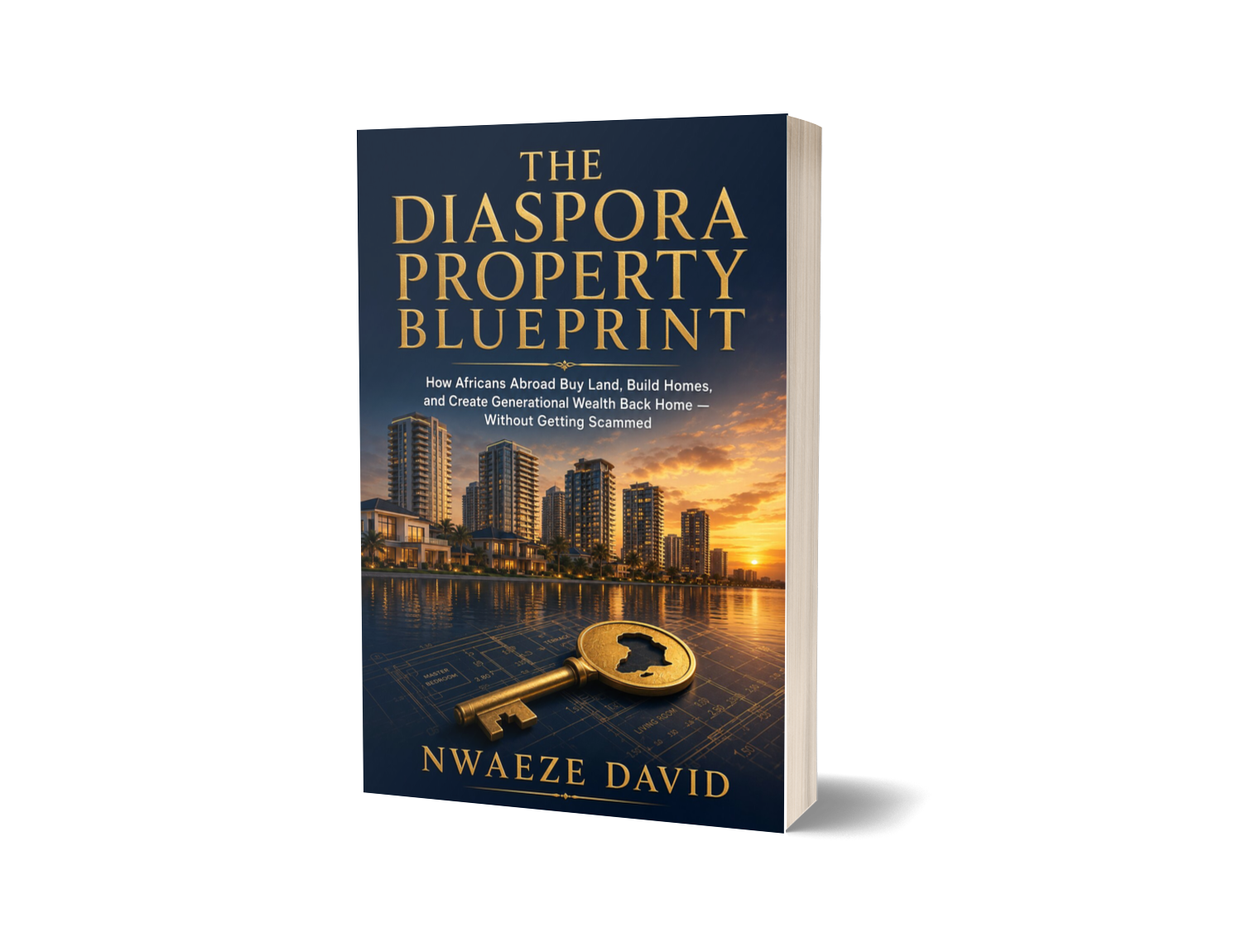
"The Diaspora Property Blueprint is the complete, step-by-step system for buying land and building wealth back home safely, from anywhere in the world."
Get Your Copy →Get help picking the right lender for you
Join the newsletter for practical, no-hype breakdowns of the mortgage process, then step inside the private community where we help buyers compare real offers before they sign.
Keep learning: how to get pre-approved for a home loan · conventional vs FHA loan · first-time home buyer guide · how much house can i afford? · how to buy a house with bad credit.
Education only, not financial advice. Lender programs, rates, credit requirements, and grant amounts change frequently and vary by state and market; details here are based on published information current as of research and are marked for verification where noted. This is not an endorsement of any single lender as the right fit for every buyer. Confirm current terms directly with each lender and compare multiple offers before committing.

Written by
Nwaeze David
Nigerian digital entrepreneur, educator and author of three real estate books. He writes practical, honest guides for new investors, working realtors and Africans building back home from abroad.


