
Is now a good time to buy a house is the wrong question for most people to be asking. The right one is whether you're personally ready, since waiting for the market to signal "go" is a wait that rarely actually ends.
What's Inside
- The short answer
- Why timing the market doesn't work the way people hope
- The one number that matters more than the market: 5-7 years
- The financial readiness checklist
- When waiting is genuinely the right call
- A concrete look at what those years actually build
- Common mistakes
- Frequently asked questions

Is now a good time to buy a house is asked constantly, and answered honestly, the response from most experts is nearly unanimous: timing the market is nearly impossible, and personal financial readiness matters more than any headline about rates or prices. This connects directly to a pattern covered in real estate investing mistakes to avoid, waiting for a "perfect" market moment is a specific version of the same analysis paralysis that delays good decisions indefinitely.
Quick honesty note
This is education, not financial advice. Specific lending benchmarks below can shift; confirm current requirements with a lender before making a decision.
The Short Answer
Why Timing the Market Doesn't Work the Way People Hope
There's no clear national market "bottom" to wait for, housing cycles vary meaningfully by region, and a market that's softening in one metro can still be rising in another at the same time. Interest rates will keep fluctuating regardless of anyone's prediction, and waiting for the perfect combination of low rates and low prices often just means missing homes that would have genuinely worked. The more reliable strategy experts point to: buy when you're financially prepared, not when you believe rates or prices have bottomed, since that belief is rarely something you can confirm until well after the fact.
The One Number That Matters More Than the Market: 5-7 Years
How long you'll stay outweighs almost everything else
Across nearly every source on this question, one number keeps showing up: buying generally needs at least 5 to 7 years to financially outperform renting, once you account for closing costs, agent commissions, and the time it takes for appreciation and principal paydown to build real equity. In high-cost markets with steep price-to-rent ratios, that breakeven horizon can stretch toward a decade. Renting tends to come out ahead when the expected ownership period is under 3 years, and a 3-to-5-year timeline genuinely depends on local specifics rather than a universal rule.
This single variable, how long you realistically expect to stay, often does more to answer "should I buy now" than any market forecast could. If you can't reasonably commit to several years in the home, the question of what rates or prices are doing becomes secondary to a more basic mismatch.
The Financial Readiness Checklist

Swipe to see more →
| Factor | Commonly cited benchmark |
|---|---|
| Credit score | 700+ ideal; 620 minimum for most conventional loans |
| Down payment | 5%-20% of purchase price, plus separate funds for closing costs |
| Cash reserves after closing | 2-6 months of mortgage payments, depending on the source |
| Debt-to-income ratio | Total monthly debt, including the new mortgage, below roughly 43% of gross income |
| Income stability | 2+ years of employment history in the same field |
If you can check most of these boxes and your monthly payment is comfortably affordable, not just technically approvable, the financial groundwork for buying is generally in place regardless of what the broader market is doing that particular month.
When Waiting Is Genuinely the Right Call
This isn't a one-sided case for always buying now. Waiting makes real sense if your current debt load is too high, you need more time to build savings for closing costs and reserves, you expect meaningful income growth in the near term, or you're only considering buying because of external pressure rather than because the timing genuinely fits your life.
Stretching to buy while undercapitalized, carrying high debt, or working with a marginal credit score tends to produce real financial stress and less resilience if something unexpected happens later. Buying the wrong home because you felt pressured to act quickly is its own costly mistake; waiting for a property that actually fits your needs is worth the patience.
A Concrete Look at What Those Years Actually Build

Consider a simplified comparison: $2,000 a month in rent versus a $2,400 monthly mortgage payment on a $400,000 home with 5% down. After five years with modest 3% annual appreciation, the buyer has built more than $80,000 in home equity between appreciation and principal paydown, while the renter, having paid a comparable or lower monthly amount, has built none. This is exactly why the holding-period question matters more than the rate headline: the wealth-building case for buying depends on being there long enough for this math to actually play out.
Common Mistakes (and How to Dodge Them)
- Waiting for a national market bottom that doesn't reliably exist. Housing cycles vary by region, and a single national signal to buy rarely arrives.
- Buying without a realistic 5+ year time horizon. The financial case for owning over renting depends heavily on staying long enough to recoup transaction costs and build equity.
- Stretching financially to buy sooner than you're ready. This tends to create real stress and leaves little cushion if circumstances change.
- Buying under pressure rather than genuine fit. A home that doesn't actually meet your needs is its own costly mistake, regardless of timing.
- Ignoring your own readiness checklist while watching rate headlines. Personal financial preparation matters more than any single market data point.
Frequently Asked Questions
Is it better to buy a house now or wait for rates to drop?
Most experts recommend buying when you're financially ready rather than waiting for rates to hit a specific level, since timing that moment reliably isn't possible and waiting often means missing genuine opportunities.
How long do I need to stay in a house for buying to make financial sense?
A commonly cited benchmark is at least 5 to 7 years, sometimes longer in high-cost markets. Renting tends to come out ahead when the expected ownership period is under 3 years.
What credit score do I need to buy a house?
Most conventional loans require a minimum around 620, though a score of 700 or higher, and ideally 760+, typically qualifies for more competitive rates and pricing.
How much should I have in savings before buying a house?
Beyond your down payment and closing costs, commonly cited guidance suggests keeping 2 to 6 months of mortgage payments in reserve after closing, depending on the source and your specific situation.
What debt-to-income ratio do lenders look for?
A common benchmark is total monthly debt, including the new mortgage payment, staying below roughly 43% of gross monthly income.
When should I wait instead of buying now?
Waiting makes sense if your debt load is high, you need more time to build savings, you expect significant income growth soon, or you're only considering buying due to outside pressure rather than genuine readiness.
Answer the Question About Yourself First
Is now a good time to buy a house is answered less by the market and more by your own numbers: how long you'll realistically stay, whether your credit and savings check out, and whether the monthly payment is genuinely comfortable, not just technically approvable. Waiting for the market to give you permission is a wait that often doesn't end; being ready when the right home appears is the more reliable strategy.
Take This Further
Books by Nwaeze David to help you build real wealth through property.
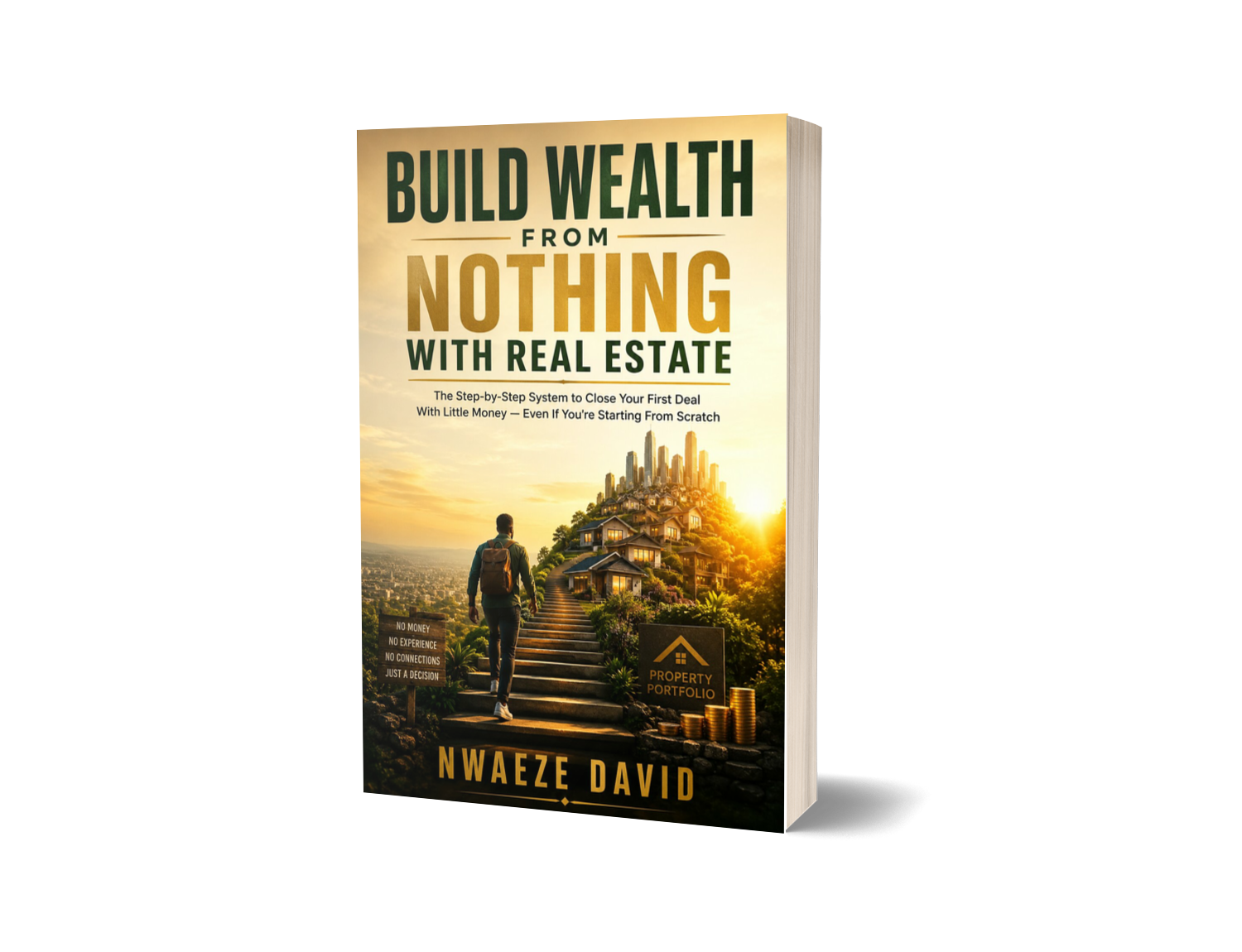
"You don't need a big deposit, perfect credit, or family money to build wealth in real estate. You need a system, the resourcefulness to work it, and the courage to start."
Get Your Copy →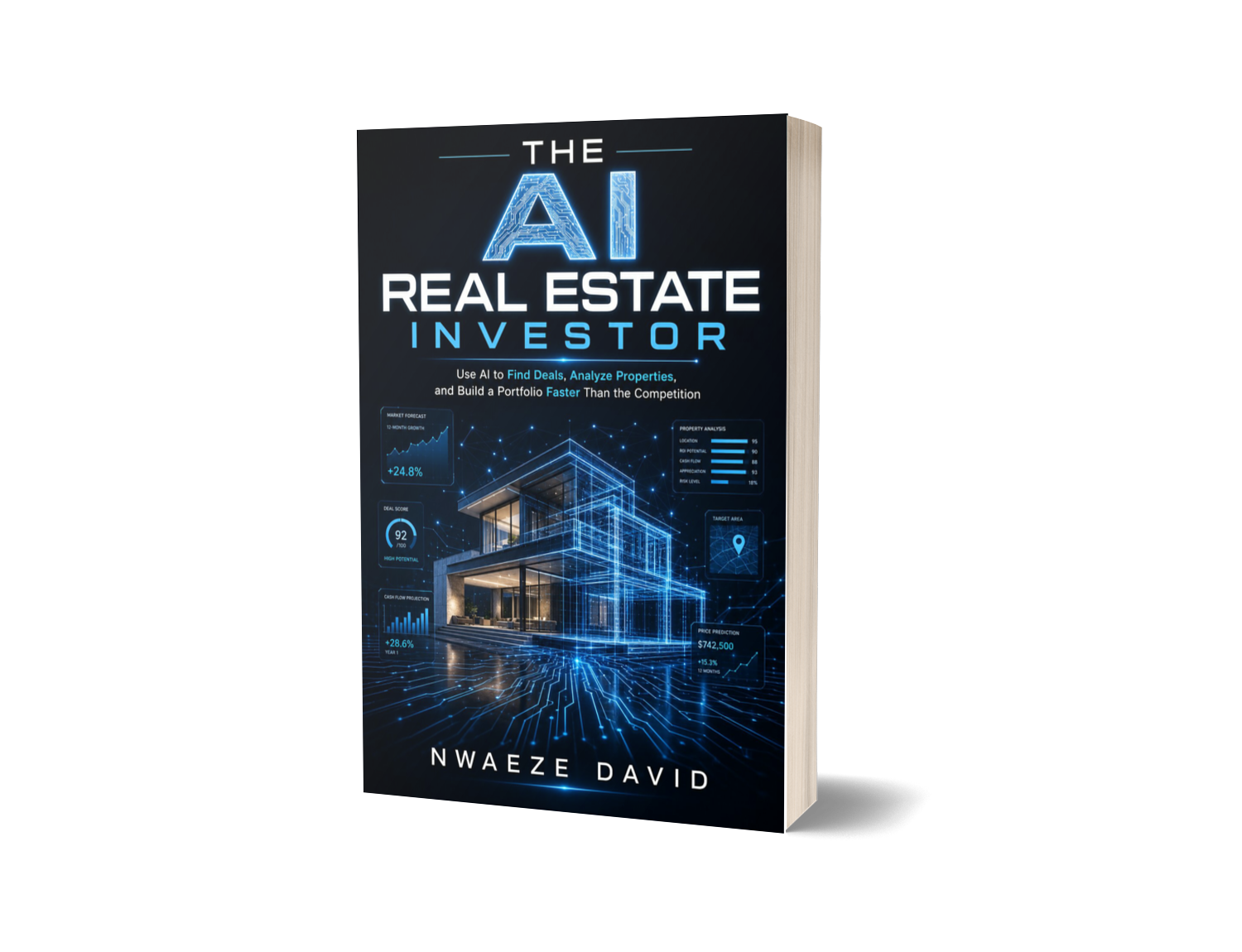
"The AI Real Estate Investor gives you that system. It shows you exactly how to point AI at the parts of your business that actually make money."
Get Your Copy →
"The Diaspora Property Blueprint is the complete, step-by-step system for buying land and building wealth back home safely, from anywhere in the world."
Get Your Copy →Get help figuring out if you're actually ready
Join the newsletter for practical, no-hype breakdowns of what's actually happening in real estate, then step inside the private community where we help buyers run their own readiness numbers before chasing a market signal that may never come.
Keep learning: real estate investing mistakes to avoid · how interest rates affect real estate prices · will the housing market crash? what the data says.
Education only, not financial advice. Lending benchmarks, market conditions, and equity illustrations vary by location and change over time; figures here are illustrative and marked for verification where noted. Consult a mortgage lender and financial professional before making a home-buying decision.

Written by
Nwaeze David
Nigerian digital entrepreneur, educator and author of three real estate books. He writes practical, honest guides for new investors, working realtors and Africans building back home from abroad.


