
Best cities for rental property investment ages faster than almost anything else you'll read on this topic. The methodology below stays useful. The specific cities need a fresh check before you act on them.
What's Inside

Best cities for rental property investment is a genuinely time-sensitive question, city-level fundamentals shift within months as new supply comes online, employers relocate, and migration patterns change. What doesn't shift nearly as fast is the underlying methodology for evaluating any city, current or future. Learn that first, then treat the specific picks below as a current snapshot to verify, not a permanent answer.
Quick honesty note
This is education, not financial advice. Every specific city, yield figure, and growth statistic below is genuinely time-sensitive, recheck current data before making a decision based on any of it, not just before publishing.
The Short Answer
The Six Factors That Actually Matter

- Population growth. Net in-migration specifically, more people moving in than leaving supports both rent growth and appreciation.
- Employment diversification. A city dependent on one employer or industry carries real concentration risk; diverse economies hold up better through a downturn.
- Rent-to-price ratio. The relationship between what a property rents for and what it costs to buy is the core driver of cash flow potential.
- Landlord-friendly law. Eviction timelines, rent control, and tenant protections vary dramatically by state and city, see landlord-tenant law for why this matters as much as the numbers.
- Property tax rates. High property taxes can quietly erode cash flow even in a market with a strong rent-to-price ratio on paper.
- Insurance costs. Some regions carry significantly higher premiums due to natural disaster risk, a factor easy to underweight until it shows up in your actual numbers.
Cash Flow Cities and Appreciation Cities Are Usually Different Cities

The mistake most rankings make
Most rental property lists treat home-price appreciation and rental yield as the same thing, which points investors toward the wrong markets for their actual goal. Cash-flow markets are commonly Midwest and Southern cities with stable, slower-growth economies, home prices well below the national average paired with relatively strong rents.
Appreciation markets are commonly mid-sized cities with above-average population and job growth where home prices haven't yet caught up to demand, even if current rent growth has cooled short-term due to expanded supply. Know which one you're actually optimizing for before you pick a city.
Cities Showing Up for Cash Flow Right Now
Swipe to see more →
| City | What's driving it |
|---|---|
| Nashville, TN | 16+ million annual visitors, strong population growth, no state income tax |
| San Antonio, TX | Home prices roughly 35% below the national median, 35+ million annual tourists |
| Oklahoma City, OK | No rent control, landlord-friendly eviction laws, low median home price |
| Columbus, OH | Cited as a 2026 hot spot, rental yields commonly in the 9-11% range, low vacancy |
Cities Showing Up for Appreciation Right Now
Raleigh-Cary has recorded some of the strongest employment growth of any metro in recent screened data, driven by net job creation and domestic in-migration rather than a supply shortage alone. Charlotte and Tampa are cited alongside it across multiple 2026 analyses as markets where population growth and employment gains are expected to drive long-term value increases, even where short-term rent growth has moderated due to new supply.
Balanced Markets Worth Knowing
Denver combines a diversified employment base, technology, aerospace, and renewable energy, with landlord-friendly regulation and a healthy mix of rent growth and appreciation, a profile many experienced investors specifically prefer for total return once cash flow, appreciation, loan paydown, and tax benefits are all considered together. Atlanta and Tampa are also cited specifically for rental stability, maintaining consistent rent growth even when other markets cool. National rent growth has cooled meaningfully from its pandemic-era peak, which is a healthy normalization for long-term investors rather than a warning sign on its own, it simply makes local, city-specific conditions the decisive factor rather than a rising national tide lifting every market equally.
Even the strongest market pick underperforms with poor management, and a modest market can outperform with excellent management, see how to manage a property remotely for the property-manager-first approach that applies regardless of which city you choose.
Common Mistakes (and How to Dodge Them)
- Treating a "best cities" ranking as a permanent answer. This category of content ages within months; recheck current data before acting.
- Confusing a cash-flow pick with an appreciation pick. These are frequently different cities entirely; match the city to your actual goal.
- Ignoring property tax and insurance costs. A strong rent-to-price ratio on paper can quietly disappear once these are factored in.
- Chasing the hottest-sounding city without checking employment diversity. A single-employer market carries real concentration risk regardless of current growth numbers.
- Assuming market selection outweighs management quality. For most individual investors, the reverse is generally true.
Frequently Asked Questions
What makes a city good for rental property investment?
Six durable factors: population growth (net in-migration), employment diversification, rent-to-price ratio, landlord-friendly law, property tax rates, and insurance costs. These stay relevant regardless of which specific cities are performing well in a given year.
Are the best cities for cash flow the same as the best cities for appreciation?
Usually not. Cash-flow markets tend to be stable, slower-growth cities with home prices well below the national average and relatively strong rents. Appreciation markets tend to be cities with above-average population and job growth where prices haven't yet caught up to demand, even with cooler current rent growth.
How often do rankings of the best rental property cities change?
Frequently, often within months, as new housing supply comes online, employers relocate, and migration patterns shift. Treat any specific city ranking as a current snapshot rather than a lasting conclusion.
Is market selection or property management more important for a rental investor?
For most individual investors with a small number of properties, management quality tends to matter more. A strong market pick can still underperform with poor management, and a more modest market can outperform with excellent management.
Why do some rental markets have cooling rent growth but still get recommended for appreciation?
Cooling short-term rent growth is often driven by newly delivered housing supply being absorbed, while the longer-term case for appreciation rests on sustained population and job growth rather than current rent trends alone.
What should I check before investing in a city with no state income tax?
No-income-tax states can meaningfully improve effective returns, but should be weighed alongside property tax rates, insurance costs, and landlord-friendly law in that specific city, not treated as a decisive factor on its own.
Check the Data, Then Check It Again
Best cities for rental property investment is one of the fastest-changing questions in real estate content. Use the six durable factors to evaluate any city, know whether you're actually chasing cash flow or appreciation before picking one, and treat every specific figure here as a starting point to verify rather than a conclusion to act on directly.
Take This Further
Books by Nwaeze David to help you build real wealth through property.
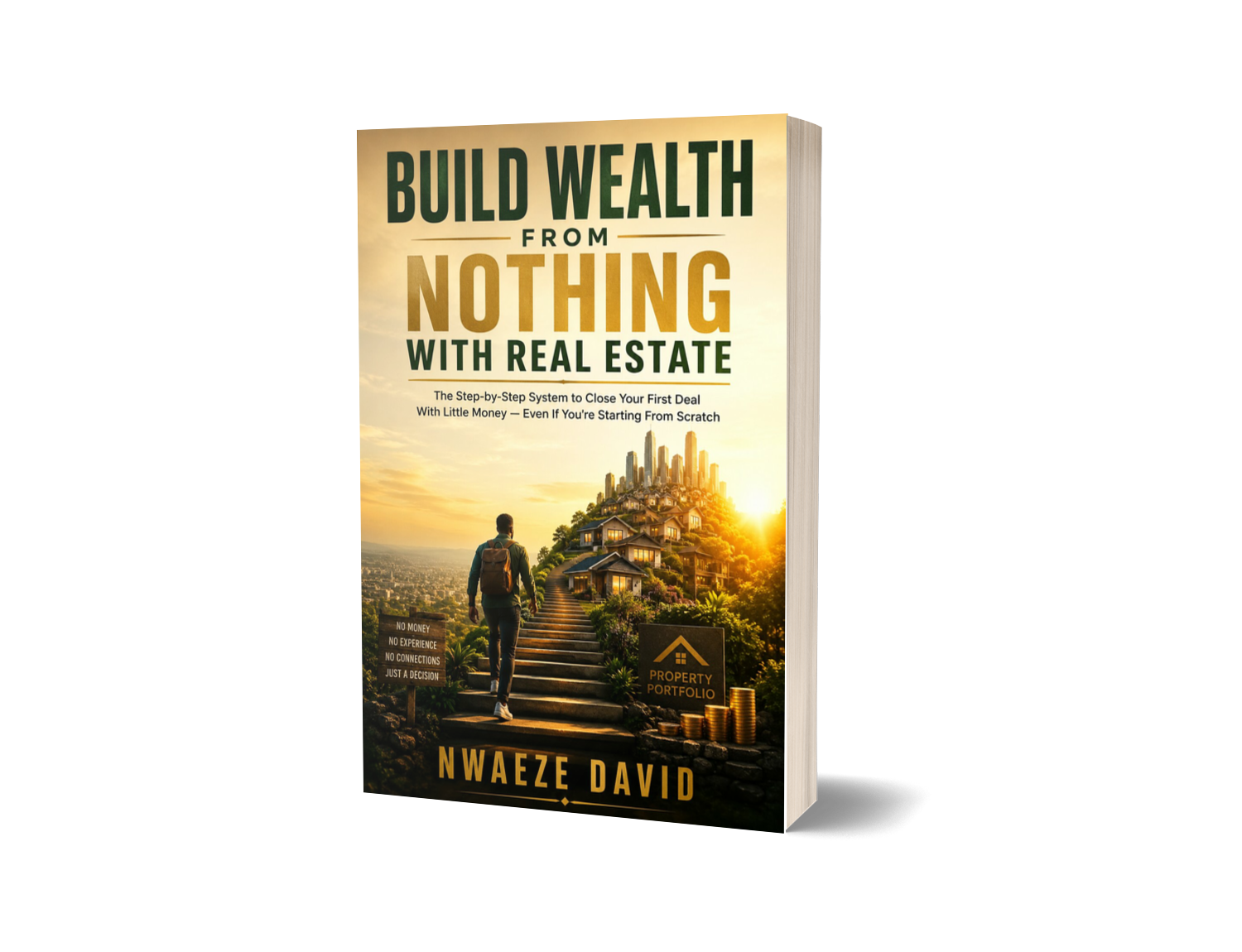
"You don't need a big deposit, perfect credit, or family money to build wealth in real estate. You need a system, the resourcefulness to work it, and the courage to start."
Get Your Copy →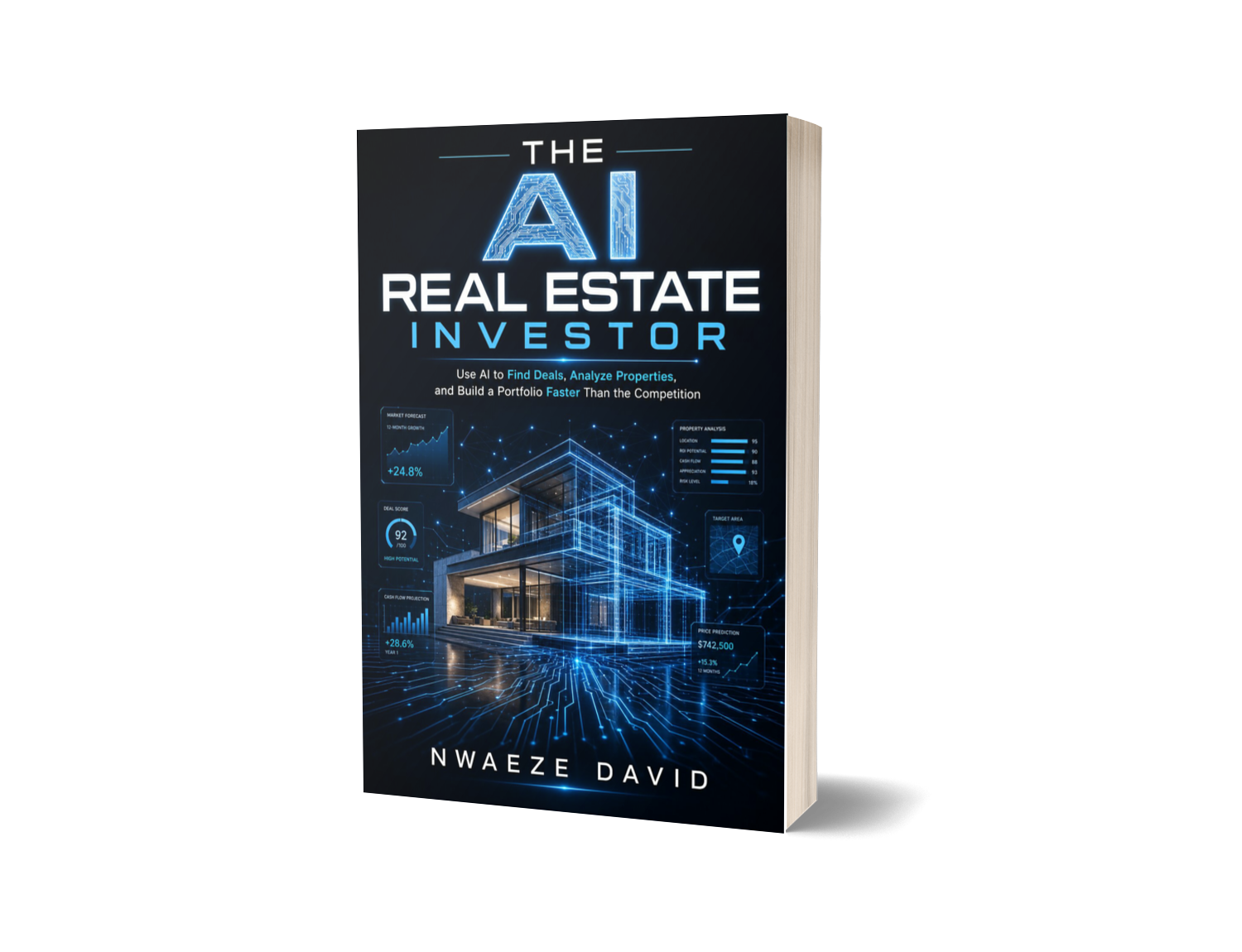
"The AI Real Estate Investor gives you that system. It shows you exactly how to point AI at the parts of your business that actually make money."
Get Your Copy →
"The Diaspora Property Blueprint is the complete, step-by-step system for buying land and building wealth back home safely, from anywhere in the world."
Get Your Copy →Get help matching a market to your actual goal
Join the newsletter for practical, no-hype breakdowns of real estate investing, then step inside the private community where we help investors separate cash-flow markets from appreciation markets before they commit capital.
Keep learning: how to manage a property remotely · landlord-tenant law · rental property investing.
Education only, not financial advice. City-level rental market data, including yields, population growth, and median prices, changes within months; every specific figure here is marked for verification and should be rechecked before any investment decision, not just before publishing.

Written by
Nwaeze David
Nigerian digital entrepreneur, educator and author of three real estate books. He writes practical, honest guides for new investors, working realtors and Africans building back home from abroad.


