
How to build a personal brand as a real estate agent has nothing to do with a logo or a color palette. It has everything to do with being specific enough that people remember exactly why to call you.
What's Inside

How to build a personal brand as a real estate agent starts by rejecting the two most common misconceptions: it is not becoming an influencer, and it is not posting motivational quotes. Your personal brand is simply what people say about you when you are not in the room, your reputation, your specialty, and the experience clients actually have working with you.
This guide covers what that actually means in practice, starting with the single biggest lever most agents skip entirely: a real niche.
Quick honesty note
This is general business guidance, not a guarantee of results. Social media usage and market statistics below come from industry and research sources that update periodically. Results depend on consistent execution over time, not a one-time branding project.
The Short Answer
What Personal Branding Actually Is
Real estate is one of the most trust-driven purchases most people ever make. Clients are not just choosing a property, they are choosing the person guiding them through one of the largest financial decisions of their life. That is why clarity, not charisma or polish, is what actually builds trust quickly. Your brand is the sum of your reputation, your visibility, your specialty, and the experience clients have working with you, and it exists whether you build it deliberately or let it happen by accident.
Start With the Niche You Already Live In

The gardening agent
One California agent built his entire brand around gardening, talking about garden boxes, sunlight, and growing herbs, then folding real estate in naturally from that angle. He is now known as the gardening specialist in his area who happens to sell houses, and homeowners in his sphere already come to him because of it, not despite it. The lesson is not that everyone should talk about gardening. It is that the most durable niche is usually something you are already genuinely into, not something invented for marketing purposes.
Open your calendar and look at where you actually spend time when you are not selling homes. That is very often your real niche, whether it is a specific neighborhood, a hobby your ideal clients also share, or a life situation you have personally been through. The test is honest self-awareness, not what sounds impressive.
The Niches That Actually Drive Business
- Location-based. A specific neighborhood, building, or micro-market, rather than an entire city.
- Demographic. First-time buyers, military and relocation clients, retirees downsizing, and similar defined groups.
- Property-type. Luxury, condos, new construction, or a specific architectural style.
- Situational. Divorce, probate, or estate sales, where empathy from firsthand experience, and referral relationships with attorneys and financial planners, become genuine differentiators.
- Investment-focused. Serving investors specifically, one of the fastest-growing niches, with its own vocabulary and priorities distinct from owner-occupant buyers.
Luxury specifically rewards a polished brand paired with real market fluency: luxury single-family sales rose nearly 10% year-over-year in recent data, with pricing holding close to full asking price, meaning luxury buyers expect a higher service level from the start. Whichever category you choose, niching down does not mean turning away other business, it means building your content, social proof, and positioning around a specific audience while still closing whatever comes your way.
Where to Actually Show Up

Swipe to see more →
| Platform | What it's genuinely good for |
|---|---|
| Visual storytelling, listing showcases, behind-the-scenes reels | |
| Community groups, event promotion, targeted ads, reaching older homeowners | |
| Thought leadership, referral networking, relocation and investor clients | |
| TikTok | Reaching first-time buyers, fast-growing but less established for referrals |
Roughly 70% of U.S. adults use at least one social media platform, and a growing share research professionals there before ever reaching out. You do not need to be everywhere. Social algorithms increasingly favor consistent, niche-specific posting over sporadic activity across many platforms, so pick one or two that fit your niche and show up on those reliably. See social media marketing for Realtors for the platform-specific tactics.
The Mistakes That Quietly Kill a Brand
- Avoiding video entirely. You do not need to be a content creator, you need to be willing to show up on camera and be helpful.
- Having no clear niche. "I help everyone buy and sell homes" is a job description, not something a prospective client remembers.
- Treating social media as a listing feed. If every post is "Just listed" or "Just sold," that is a classified ad, not a brand. Mix in educational, personal, and community content.
- Never updating your headshot or bio as you grow. The brand-new-agent version of you should not still be the public face of a much more experienced version of you.
- Picking a niche that sounds impressive instead of one you actually live. Authenticity is what makes a niche sustainable over years, not months.
- Trying to be everywhere at once. Consistency on one or two platforms beats sporadic presence across five.
- Treating branding as a one-time project. It compounds over years of consistent, specific positioning, not a single redesign.
- Confusing visual identity with the whole brand. A color palette and logo help, but the actual client experience is what people remember and repeat to others.
Frequently Asked Questions
What does personal branding actually mean for a real estate agent?
It means strategically defining and communicating your unique identity, expertise, and value, not becoming an influencer or posting generic motivational content. Your brand is what people say about you when you are not in the room, built from your specialty, your visibility, and the experience clients actually have working with you.
Why does niching down help instead of limiting me?
A defined niche sharpens your positioning and messaging, making it easier for the right clients to find you and harder for generalist competitors to compete for their attention. Agents who commit to a specific niche consistently outperform generalists on lead quality, referral volume, and commission per transaction, without needing to turn away other business.
How do I find the right niche for my real estate brand?
Look at where you genuinely spend time and attention outside of selling homes, a hobby, a life experience, or a community you are already part of. The most durable niches tend to be ones agents are authentically into already, rather than ones invented purely for marketing purposes.
Do I need to be active on every social media platform?
No. Being excellent and consistent on one or two platforms that fit your niche outperforms sporadic activity spread across many. Social media algorithms increasingly reward consistent, niche-specific content over broad, infrequent posting.
How often should I update my personal brand?
Regularly, as your experience and results grow. A headshot and bio written as a brand-new agent should not still represent you after years and hundreds of transactions. Your brand should reflect your current level of expertise, not where you started.
Is "Just listed" and "Just sold" content enough for a real estate brand?
No, on its own it reads more like a classified ad than a brand. Mixing in educational content, personal moments, and community involvement alongside listing updates is what actually builds a recognizable, trusted identity over time.
Be Specific Enough to Be Remembered
How to build a personal brand as a real estate agent comes down to one uncomfortable but useful test: if you cannot say clearly what you do for clients that they cannot easily get elsewhere, you do not have a brand yet, you have a job title. Find the niche you already live in, show up consistently on a platform or two that fits it, and let your brand grow and update alongside your actual experience.
Take This Further
Books by Nwaeze David to help you build real wealth through property.
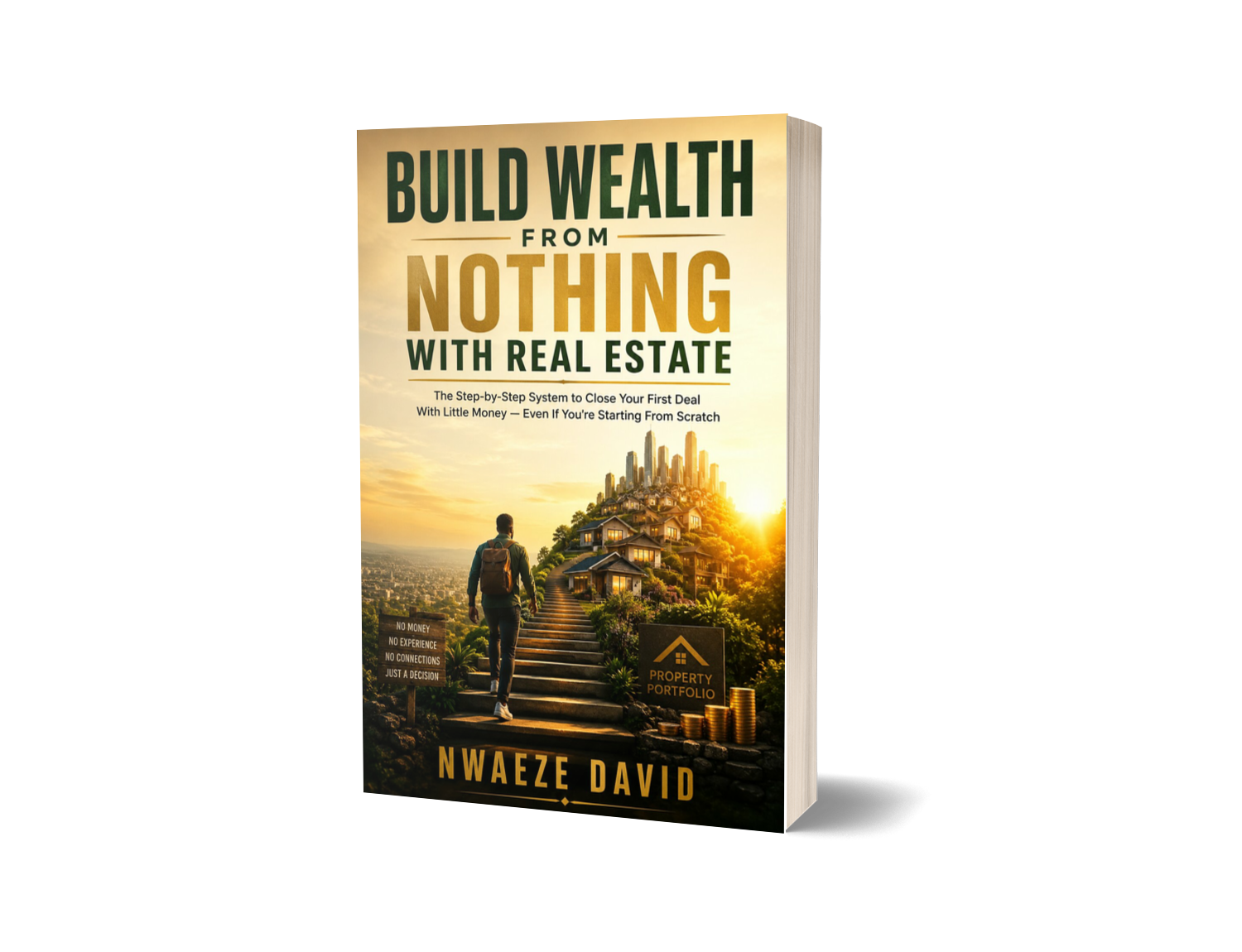
"You don't need a big deposit, perfect credit, or family money to build wealth in real estate. You need a system, the resourcefulness to work it, and the courage to start."
Get Your Copy →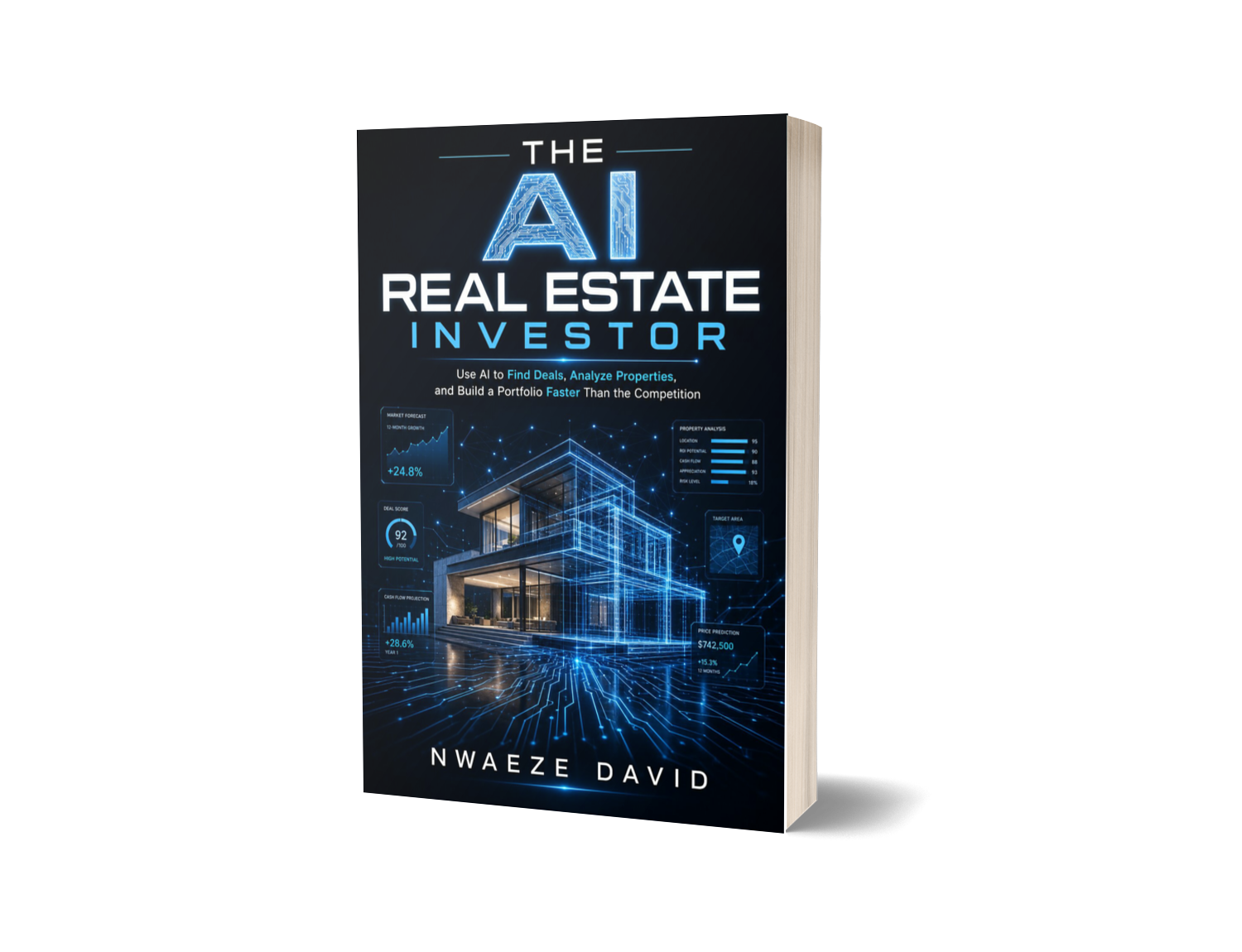
"The AI Real Estate Investor gives you that system. It shows you exactly how to point AI at the parts of your business that actually make money."
Get Your Copy →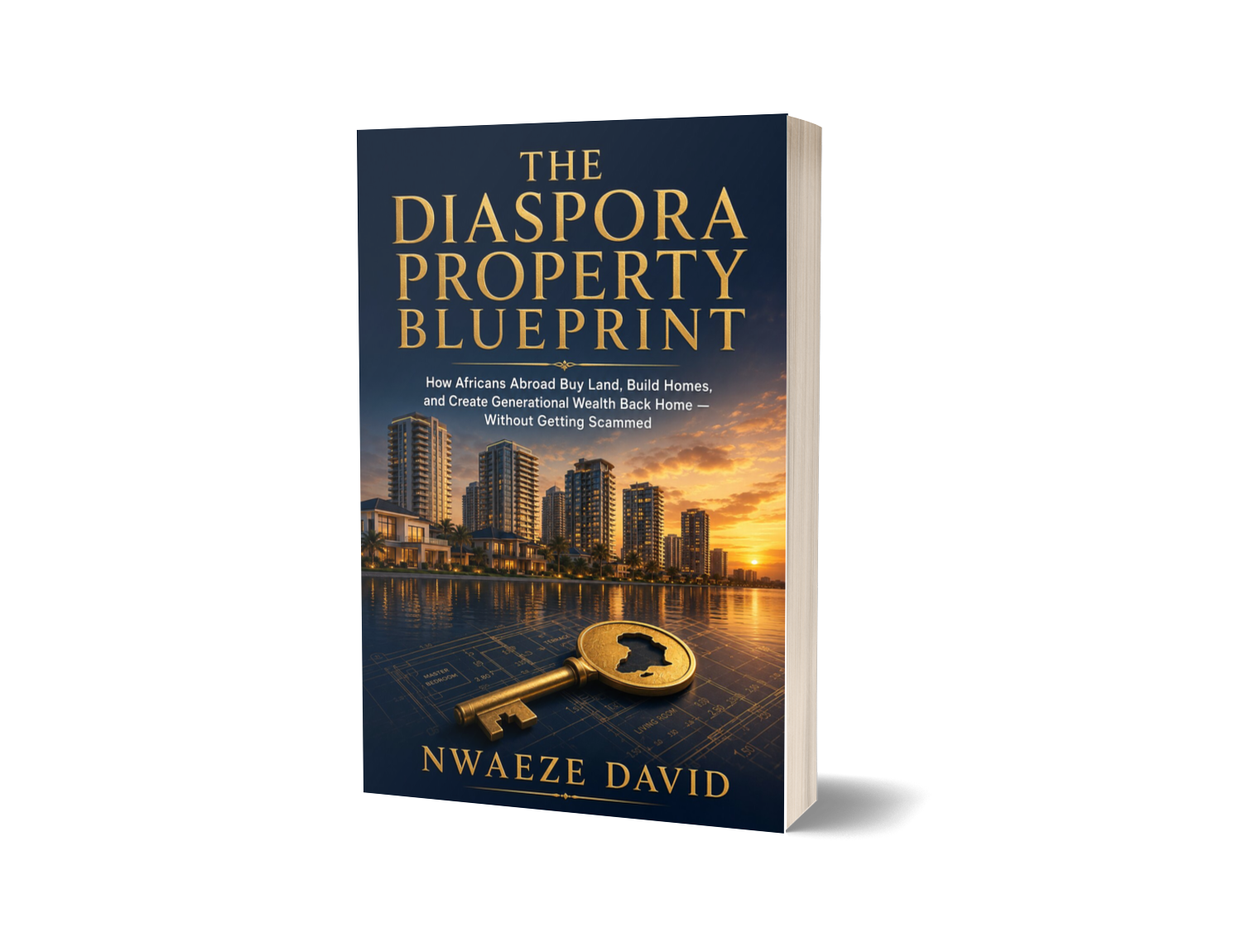
"The Diaspora Property Blueprint is the complete, step-by-step system for buying land and building wealth back home safely, from anywhere in the world."
Get Your Copy →Get help defining a brand people actually remember
Join the newsletter for practical, no-hype breakdowns of growing a real estate business, then step inside the private community where we help agents find a niche that fits who they actually are.
Keep learning: social media marketing for Realtors · real estate marketing ideas that actually work · how to get real estate leads · how to become a successful real estate agent · how to grow your real estate business.
Education only, general business guidance, not a guarantee of results. Social media usage and market statistics cited come from industry and research sources that update periodically; figures here are marked for verification where noted. Results depend on consistent execution over time.

Written by
Nwaeze David
Nigerian digital entrepreneur, educator and author of three real estate books. He writes practical, honest guides for new investors, working realtors and Africans building back home from abroad.


