
Generational wealth through real estate is not a slogan, it is a specific set of mechanics: how long you hold, how you title the property, and one tax rule most families never learn about until it is too late to use it well. Here is how to actually build wealth that outlives you.
What's Inside
- What generational wealth through real estate means
- Why real estate specifically builds it
- The step-up in basis, real estate's best-kept secret
- The current estate tax picture
- How to hold property for multi-generational transfer
- Teaching the next generation
- A simple multi-generational framework
- Common mistakes
- Frequently asked questions

Generational wealth real estate strategies come down to three decisions most families never make deliberately: how long you hold your properties, how you legally title them, and whether you teach the next generation to manage what they inherit.
Get those three right and property can genuinely outlast you. Get them wrong and even a valuable portfolio can be lost to probate, mismanagement, or a forced sale within a single generation.
This guide covers the mechanics that actually matter, including a tax rule that specifically rewards long-held real estate at death, which is a large part of why property has built more lasting family wealth than almost any other asset.
Read this before you plan anything
This is education, not legal or tax advice. Estate tax rules, exemption amounts, and state-specific inheritance laws change with legislation and vary widely by state.
The federal figures below reflect current law under the One Big Beautiful Bill Act, but tax law shifts, confirm current numbers and speak to an estate planning attorney and CPA before making any decisions about your estate.
What Generational Wealth Through Real Estate Means
In short: Building generational wealth through real estate means acquiring property with the specific intention of holding it long-term and structuring ownership so it transfers to your heirs with minimal tax cost, legal friction, and family conflict.
It is less about the size of your portfolio and more about whether it survives intact past your own lifetime.
Why Real Estate Specifically Builds It
Real estate has built more lasting family wealth than almost any other asset class for a few concrete reasons, not just tradition.
- It compounds quietly over decades. Cash flow, appreciation, and loan paydown all continue working in the background, whether or not anyone actively manages the asset day to day.
- It is leveraged. A property bought decades ago with a mortgage has often appreciated on its full value, not just the cash originally invested, magnifying the wealth transferred relative to the original outlay.
- It produces income, not just value. A paid-off or cash-flowing rental keeps supporting a family financially, not just sitting as a number on a balance sheet.
- It benefits from a powerful, often-overlooked tax rule at death. Covered in full below, and arguably the single biggest reason long-held real estate outperforms other assets for inheritance purposes specifically.
The Step-Up in Basis, Real Estate's Best-Kept Secret

Under U.S. tax law (IRC Section 1014), when someone inherits property, its cost basis "steps up" to the fair market value on the date of the original owner's death, rather than staying at whatever the owner originally paid.
This single rule eliminates capital gains tax on every dollar of appreciation that happened during the original owner's lifetime.
A concrete example
You bought a rental property decades ago for $150,000. It is worth $650,000 when you pass it to your children. Under the step-up rule, your children's cost basis becomes $650,000, not $150,000.
If they sell it the next day for $650,000, they owe zero capital gains tax on the $500,000 of appreciation that happened during your lifetime. Sell that same property yourself while alive, and that $500,000 gain would typically be taxable.
This is exactly why many experienced investors follow a strategy nicknamed "swap till you drop": use 1031 exchanges to defer capital gains tax across a lifetime of upgrading properties, never selling and paying the tax outright, then let the step-up in basis at death erase all of that deferred gain entirely for your heirs.
It is one of the most powerful, and least discussed, tools in real estate estate planning. Full mechanics of the deferral side in 1031 exchange explained.
The Current Estate Tax Picture
As of 2026, under the One Big Beautiful Bill Act (signed July 4, 2025), the federal estate and gift tax exemption is permanently set at $15 million per individual, or $30 million for a married couple using portability, indexed for inflation going forward. The result of this is that the vast majority of families, likely over 99%, will never owe federal estate tax at all.
That does not mean estate planning is unnecessary. Several states impose their own estate or inheritance taxes with thresholds far lower than the federal number, sometimes as low as $1-2 million, and probate itself, even with no tax owed, can be slow, public, and expensive without the right structure in place.
How to Hold Property for Multi-Generational Transfer

Swipe to see more →
| Structure | Best for | Key benefit |
|---|---|---|
| Direct personal ownership | A single property, simple estate | Simplicity, but full probate exposure |
| Revocable living trust | Avoiding probate on one or more properties | Assets still receive the step-up in basis at death; avoids public probate |
| LLC (single or family) | Liability protection, multiple properties, or multiple heirs | Shields personal assets; simplifies gifting fractional interests over time |
| Irrevocable trust | Larger estates seeking tax reduction | Can remove assets from your taxable estate, though typically forgoes the step-up |
A revocable living trust is the most common tool for avoiding probate while keeping the step-up in basis intact, since the assets are still considered part of your estate for tax purposes.
An LLC adds liability protection and makes it far easier to gift or transfer fractional ownership to multiple children over time without physically subdividing the property. Full detail on LLC structuring in how to form an LLC for real estate investing.
Teaching the Next Generation
Structure alone does not guarantee generational wealth. Studies on family wealth broadly find it is common for wealth to disappear within a generation or two, usually not from bad markets, but from heirs who were never taught how to manage what they received.
A few practices meaningfully improve the odds:
- Involve heirs before they inherit. Walk them through a rent roll, a mortgage statement, and a maintenance decision while you are still there to explain it.
- Document the "why," not just the "what." Heirs who understand your reasoning for holding, refinancing, or selling make better decisions than those who only inherit the asset itself.
- Name a clear decision-maker. Multiple heirs with equal, undefined authority over a shared property is a common source of family conflict and forced sales.
- Revisit the plan periodically. Family circumstances, tax law, and property values all change. A plan set once and never revisited often fails exactly when it is needed most.
A Simple Multi-Generational Framework
- Buy right the first time. A well-located, well-financed property is easier to hold for decades than one bought on hope.
- Hold long, refinance instead of selling. Use cash-out refinancing or a 1031 exchange to access capital and upgrade properties without triggering a taxable sale.
- Title it properly. Choose a trust or LLC structure suited to your family size and goals, not just whatever your closing attorney defaulted to.
- Keep records and documentation current. A well-organized paper trail saves heirs enormous stress and cost during an already difficult time.
- Teach before you transfer. Bring the next generation into the decisions well before they inherit sole responsibility for them.
- Revisit the plan every few years. With an estate attorney and CPA, not just once at the start.
Common Mistakes (and How to Dodge Them)
- Selling appreciated property unnecessarily during your lifetime. Every sale before death forfeits the step-up in basis on that gain.
- No estate plan at all. Dying without a will or trust sends property through probate, a slow, public, and often costly process.
- Equal ownership with no named decision-maker. Several heirs with equal say and no tiebreaker is a common cause of forced sales.
- Never involving heirs until it is too late. An inheritance nobody was prepared to manage is often mismanaged or sold quickly.
- Assuming federal exemption numbers mean no planning is needed. State-level estate and inheritance taxes, probate costs, and family dynamics all matter regardless of the federal threshold.
FAQs on Generational Wealth Real Estate
What is the step-up in basis and why does it matter for real estate?
The step-up in basis is a tax rule where inherited property's cost basis resets to its fair market value on the date of the original owner's death, rather than staying at the original purchase price.
This eliminates capital gains tax on all appreciation that occurred during the owner's lifetime, which is why many investors prefer to hold appreciated real estate until death rather than sell it during their lifetime.
What is the current federal estate tax exemption?
As of 2026, under the One Big Beautiful Bill Act, the federal estate and gift tax exemption is permanently set at $15 million per individual, or $30 million for a married couple using portability, and is indexed for inflation going forward.
This means the vast majority of estates will never owe federal estate tax, though state-level estate or inheritance taxes often have much lower thresholds.
What is "swap till you drop" in real estate?
It is a strategy of using 1031 exchanges to defer capital gains tax across a lifetime of selling and buying larger or better properties, then holding the final property until death so heirs receive it with a stepped-up basis.
This can eliminate the capital gains tax entirely that would otherwise have been owed on decades of deferred appreciation.
Should I put my rental properties in a trust or an LLC?
A revocable living trust helps your properties avoid probate while keeping the step-up in basis intact, since the assets remain part of your taxable estate.
An LLC adds liability protection and makes it easier to gift or transfer fractional ownership to multiple heirs over time. Many families use both together, an LLC to hold the property and a trust to hold the LLC membership interests.
How do I avoid family conflict over inherited property?
Name a clear decision-maker or management structure in your estate plan rather than leaving multiple heirs with equal, undefined authority.
Involve your heirs in property decisions before they inherit, document your reasoning for major decisions, and revisit your estate plan periodically as family circumstances and tax law change.
Does my family need to worry about estate tax on real estate?
Most families will not owe federal estate tax given the current $15 million per individual exemption. However, several states impose their own estate or inheritance taxes at much lower thresholds, and even without any tax owed, property without a proper trust or will still goes through probate, which can be slow, public, and costly. Confirm your specific state's rules with an estate planning attorney.
Build It to Outlast You
Generational wealth through real estate is not about the size of the portfolio you leave behind. It is about whether that portfolio survives intact, held in a structure your heirs understand, managed by people who were taught what to do with it.
Buy well, hold long, title it properly, and bring the next generation into the decisions well before they inherit them. That is what actually makes wealth generational.
Take This Further
Books by Nwaeze David to help you build real wealth through property.
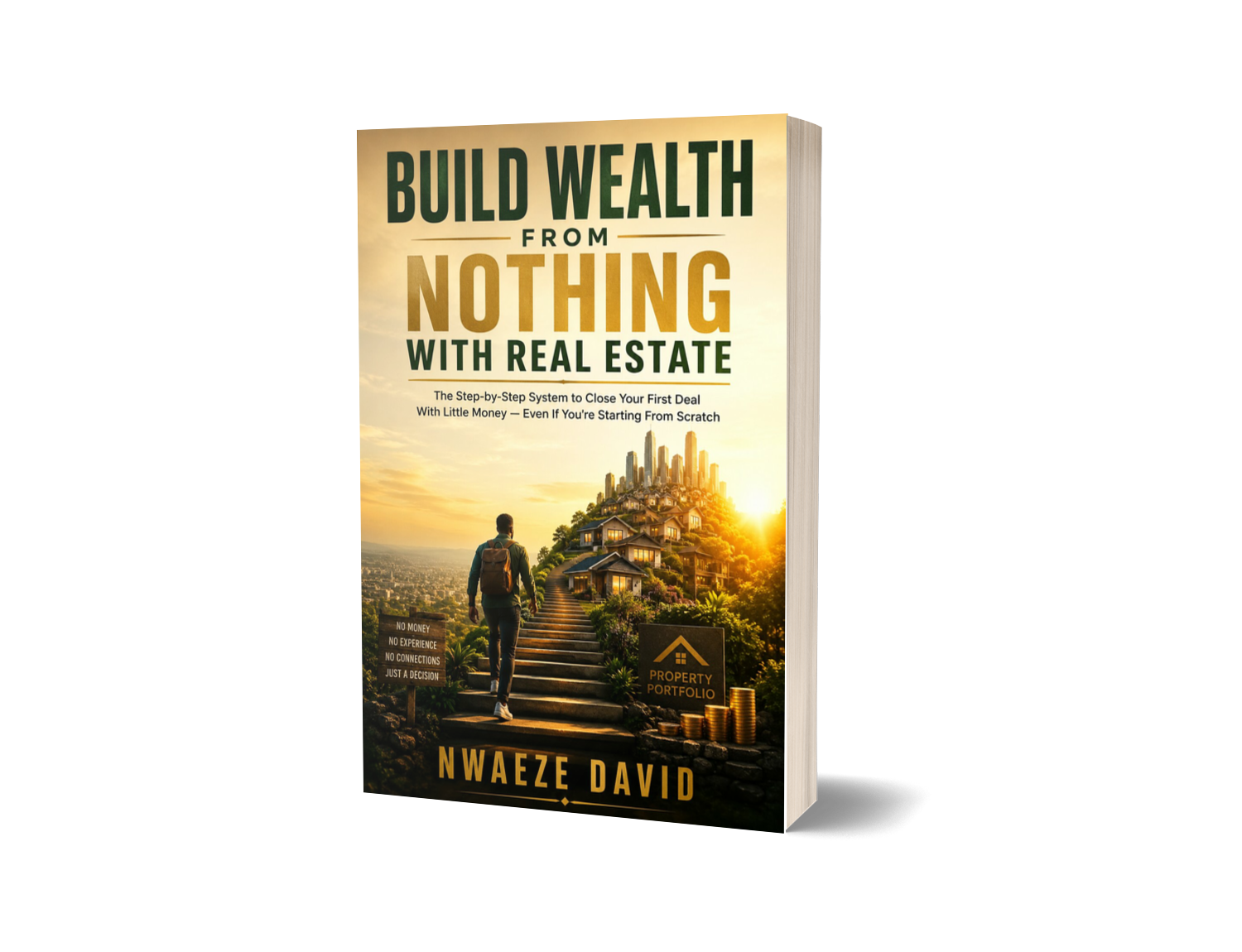
"You don't need a big deposit, perfect credit, or family money to build wealth in real estate. You need a system, the resourcefulness to work it, and the courage to start."
Get Your Copy →
"The AI Real Estate Investor gives you that system. It shows you exactly how to point AI at the parts of your business that actually make money."
Get Your Copy →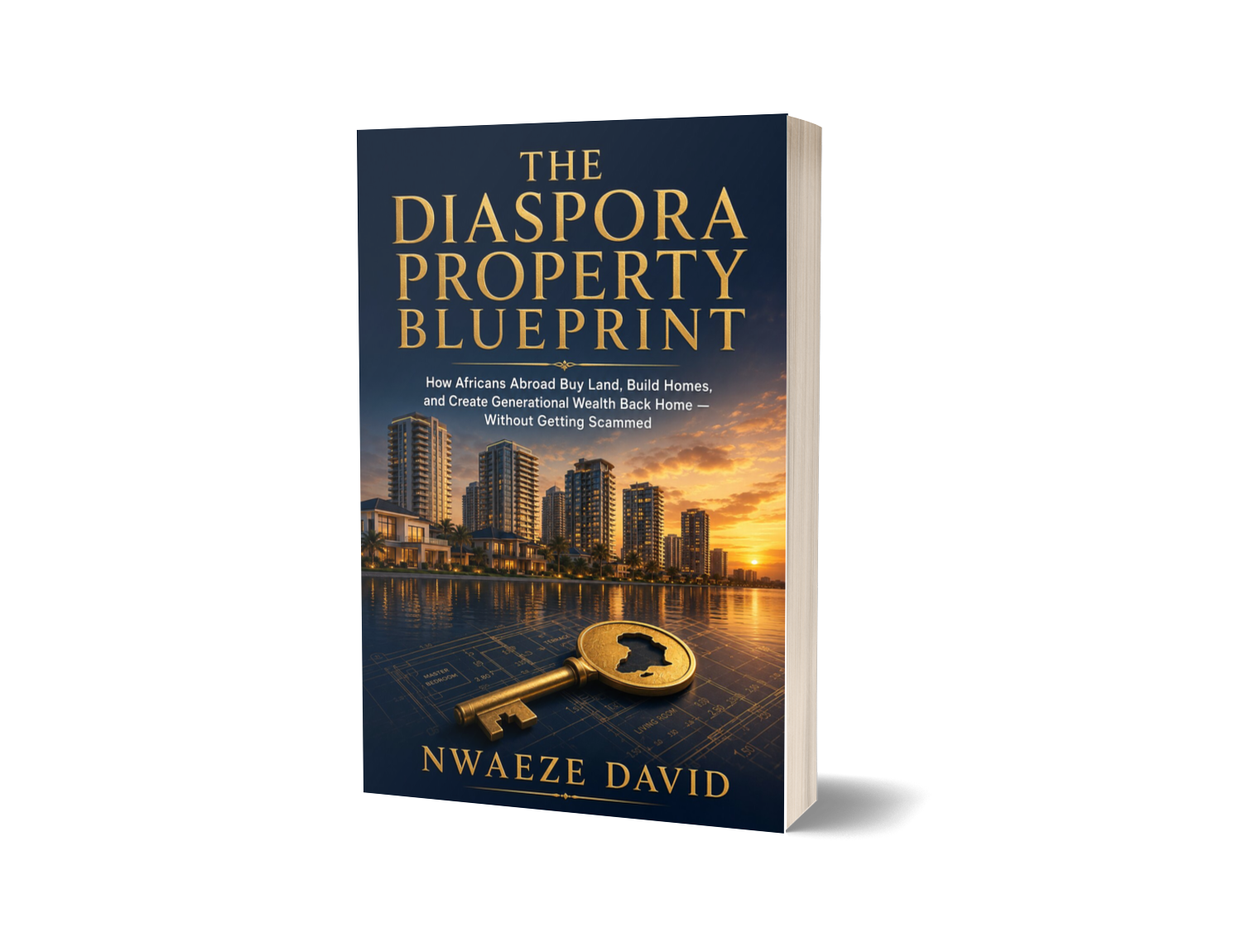
"The Diaspora Property Blueprint is the complete, step-by-step system for buying land and building wealth back home safely, from anywhere in the world."
Get Your Copy →Get inside the community building lasting family wealth
Join the newsletter for practical, no-hype lessons on building wealth through property that actually lasts, then step inside the private community where we talk through real estate planning, succession, and the strategy behind wealth that survives generations.
Keep learning: 1031 exchange explained · how to form an LLC for real estate investing · real estate taxes and legal protection · how to build a real estate portfolio from scratch · real estate investing for beginners.
Education only, not legal or tax advice. Estate tax exemptions, gift tax rules, and state-specific inheritance laws change with legislation and vary widely by state and country. Figures here reflect current U.S. federal law as of 2026 and are marked for verification where noted. Speak to a licensed estate planning attorney and CPA before making any decisions about your estate or holding structure.

Written by
Nwaeze David
Nigerian digital entrepreneur, educator and author of three real estate books. He writes practical, honest guides for new investors, working realtors and Africans building back home from abroad.


