Loading...

Buying and Selling a Home
Some links here are affiliate links. If you use them, I may earn a small commission at no extra cost to you. I only point to services I trust or have researched properly.
Buying and selling a home are the biggest money moves most people ever make. Get the process right and you save thousands and avoid painful mistakes. This guide walks you through both sides, step by step, in plain language.
What's Inside
- Should you buy or rent first
- How to buy a home, step by step
- Understanding closing costs
- The new commission rules you must know
- How to sell your home for top dollar
- Boost your home's value before selling
- Buying foreclosures and distressed homes
- What the 2026 market means for you
- Common buying and selling mistakes
- Frequently asked questions

Buying and selling a home can feel overwhelming, and that is exactly when costly mistakes happen. Rush the buying process and you overpay or skip a check that comes back to bite you. Sell without a plan and you leave real money on the table. Neither has to happen to you.
This guide covers the full journey on both sides: how to buy the right home at the right price, and how to sell yours for the most money with the least stress. Plain steps, honest numbers, and the traps to avoid.
Should You Buy or Rent First
In short: Buying and selling a home is the process of purchasing a property to live in and, later, selling it to move or move up. Before you buy, make sure buying beats renting for your situation: how long you will stay, whether you have the down payment and reserves, and whether the monthly cost fits your budget with room to spare.
Buying is not automatically smarter than renting. If you might move within a few years, renting can win once you count closing costs, maintenance, and the cost of selling again. Run your own comparison in should you buy or rent a home? before you commit to either path.
How to Buy a Home, Step by Step

- Know your budget. Work out what you can comfortably afford, not the maximum a lender will approve. Include taxes, insurance, and upkeep. Start with how much house can i afford?.
- Get pre-approved. A lender's written pre-approval tells you your real budget and shows sellers you are serious. Compare a few lenders through a marketplace like mortgage rate marketplace, and see how to get pre-approved for a home loan.
- Find an agent and understand the agreement. A good buyer's agent guides you through offers and negotiation. Note the new rules below: you will likely sign a written buyer-broker agreement before touring homes.
- Shop and tour. Focus on your must-haves, and try not to fall in love before the inspection. You are buying a decision, not a feeling.
- Make an offer and put down earnest money. Your offer includes a deposit that shows you are serious, held in escrow. Learn how it works in what is earnest money and how does it work?, and negotiate well with how to negotiate when buying a house.
- Get a home inspection. Never skip this to win a bidding war. It reveals what the listing hides. Use home inspection checklist for buyers.
- Appraisal and final loan approval. Your lender confirms the home's value and finalises the loan. If the appraisal comes in low, you may renegotiate.
- Close. You review the closing disclosure, sign, pay your closing costs, and get the keys. The full breakdown is in closing costs explained.
The complete beginner version, with more detail on each step, is in first-time home buyer guide.
Understanding Closing Costs
Closing costs surprise people because they land on top of the down payment. As a rough guide in the US, buyers usually pay around 2% to 5% of the purchase price in closing costs, while sellers pay closer to 8% to 10% of the sale price once agent commissions are included.
Buyer costs include loan fees, title, appraisal, and prepaid taxes and insurance. Seller costs are dominated by commission, plus transfer taxes, title, and any credits. You will both receive a closing disclosure a few days before closing listing every number, so read it and question anything that looks off. Full detail in closing costs explained.
The New Commission Rules You Must Know
If you are buying or selling in the US, the rules changed in 2024, and many people still do not understand them.
- Buyers now sign a written buyer-broker agreement before touring homes with an agent, spelling out how that agent gets paid.
- Buyer-agent pay is negotiated, not assumed. It is no longer advertised on the MLS. Buyers agree their agent's fee upfront and can ask the seller to cover it in the offer.
- Sellers are generally responsible only for their own listing agent's fee, often around 2.5% to 3%, though many still offer to cover the buyer's agent as a concession to attract offers.
- Total commissions still commonly run around 5% to 6% and are fully negotiable.
Buyers: read one clause carefully
Your buyer-broker agreement states what happens if the seller's offered contribution comes in below your agreed rate. If you sign at 3% and the seller only covers 2%, you may owe the difference. Ask your agent to put the answer in writing before you sign.
How to Sell Your Home for Top Dollar

- Price it right from day one. The single biggest lever. Overprice and the home sits, then sells for less than if you had priced it correctly at the start. Use recent comparable sales, not hope.
- Prep and repair. Fix the obvious issues and declutter. Small work often returns more than it costs. See how to increase your home's value before selling.
- Stage and photograph. Most buyers judge your home online first. Clean, bright, professional photos get more showings and better offers.
- List and market. Get on the MLS and the major portals with a strong description. Online reach is where buyers actually find homes now.
- Review offers and negotiate. Look beyond price at financing strength, contingencies, and timelines. The highest number is not always the best offer.
- Handle the inspection and appraisal. Be ready to negotiate repairs or credits, and to support the value if the appraisal is tight.
- Close. Sign, pay your costs and any payoff, and hand over the keys.
If speed matters, weigh your options in how to sell your house fast for the best price.
Overpricing does not get you more money. It gets you a stale listing and a lower final price. The market decides your home's value. Your job is to meet it, then present it beautifully.
Boost Your Home's Value Before Selling
You do not need a full renovation. The highest-return moves are usually the cheapest: fresh paint, clean and decluttered spaces, strong curb appeal, and fixing anything that screams "problem" to a buyer or inspector.
Big remodels rarely return their full cost, so spend where buyers notice first. The full list of value-adding improvements is in how to increase your home's value before selling.
Buying Foreclosures and Distressed Homes
Distressed and foreclosed homes can offer a discount, but they come with risks: they are often sold as-is, may need work, and the buying process differs from a standard sale. They can suit investors and bargain hunters who do their homework. Learn the process in foreclosure process explained.
What the 2026 market means for you
With mortgage rates in the mid-6% range and homes sitting longer in many areas, buyers have more room to negotiate than they did a couple of years ago, and sellers increasingly offer concessions to close. Price and present well as a seller; negotiate hard and keep your inspection as a buyer. See is now a good time to buy a house?.
Common Buying and Selling Mistakes (and How to Dodge Them)
- Skipping pre-approval. Shopping before you know your real budget wastes time and weakens your offers.
- Waiving the inspection. The fastest way to inherit an expensive surprise. Keep it.
- Buying on emotion. Falling for a home leads to overpaying and overlooking red flags.
- Overpricing when selling. A stale listing costs you more than pricing right from the start.
- Ignoring closing costs. Budget for them early so nothing derails you at the table.
- Not reading the buyer-broker agreement. Know exactly what you owe your agent and when.
- Weak listing photos. Buyers scroll past. Great photos are the cheapest marketing you have.
Frequently Asked Questions
What are the steps to buying a home?
Set your budget, get pre-approved for a mortgage, find an agent and sign the buyer agreement, tour homes, make an offer with earnest money, get a home inspection, complete the appraisal and final loan approval, then close and get the keys. Each step protects the next, so following the order matters more than moving fast.
How much are closing costs?
In the US, buyers typically pay around 2% to 5% of the purchase price in closing costs, covering loan fees, title, appraisal, and prepaid taxes and insurance. Sellers usually pay closer to 8% to 10% of the sale price once agent commissions are included. You will receive a closing disclosure before closing listing every figure. Costs vary by location and loan type.
Who pays the real estate agent commission now?
Since the 2024 US settlement, buyer-agent pay is negotiated in writing rather than assumed. Sellers are generally responsible for their own listing agent's fee, and buyers agree their agent's fee upfront, though they can ask the seller to cover it in the offer. Many sellers still offer to pay the buyer's agent to attract more buyers. Total commission is negotiable and often runs around 5% to 6%.
How do I sell my house for the most money?
Price it correctly from day one using recent comparable sales, prep and declutter, and invest in clean professional photos since most buyers judge online first. Market widely, then weigh offers on more than price alone, considering financing strength and contingencies. Overpricing to "leave room" usually backfires by making the listing go stale.
Should I get a home inspection?
Yes, almost always. An inspection reveals problems the listing hides and gives you room to renegotiate or walk away. Waiving it to win a competitive offer is one of the most expensive risks a buyer can take, because the issue you did not check is the one that costs you most after closing.
Is it better to buy or rent a home?
It depends on how long you will stay, your finances, and your local market. Buying tends to win over longer time horizons once you build equity, while renting can be smarter if you might move within a few years, once you count closing costs, maintenance, and the cost of selling. Run a rent-versus-buy comparison for your specific numbers before deciding.
Make the Move With a Plan, Not a Prayer
Buying and selling a home rewards preparation. Know your budget and get pre-approved before you shop. Never skip the inspection. Price and present your home properly when you sell, and understand the new commission rules on both sides.
Do these things and the biggest financial move of your life becomes a confident, well-run process instead of a stressful gamble.
Take This Further
Books by Nwaeze David to help you build real wealth through property.
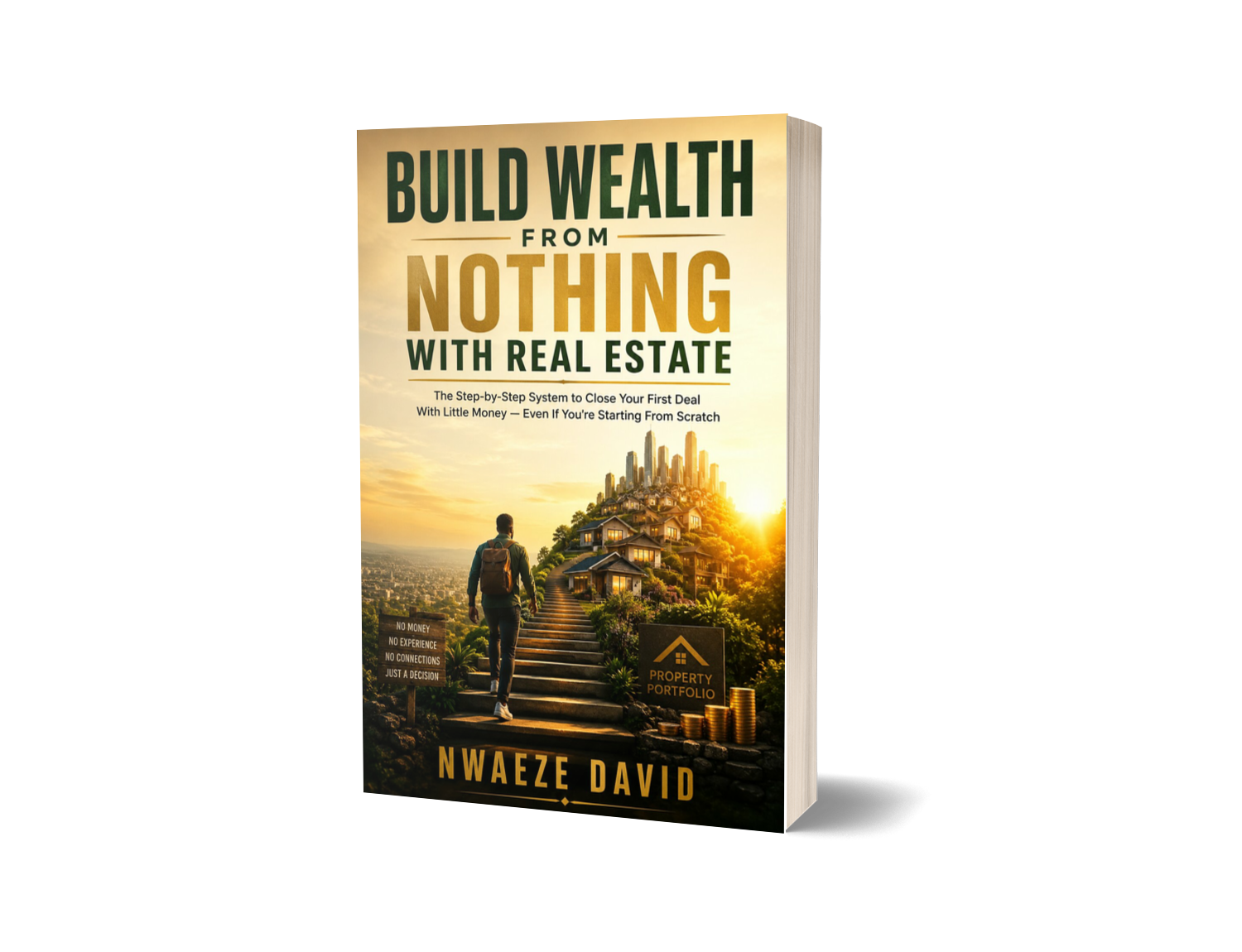
Beginner Wealth Building
Build Wealth From Nothing With Real Estate
"You don't need a big deposit, perfect credit, or family money to build wealth in real estate. You need a system, the resourcefulness to work it, and the courage to start."
Get Your Copy →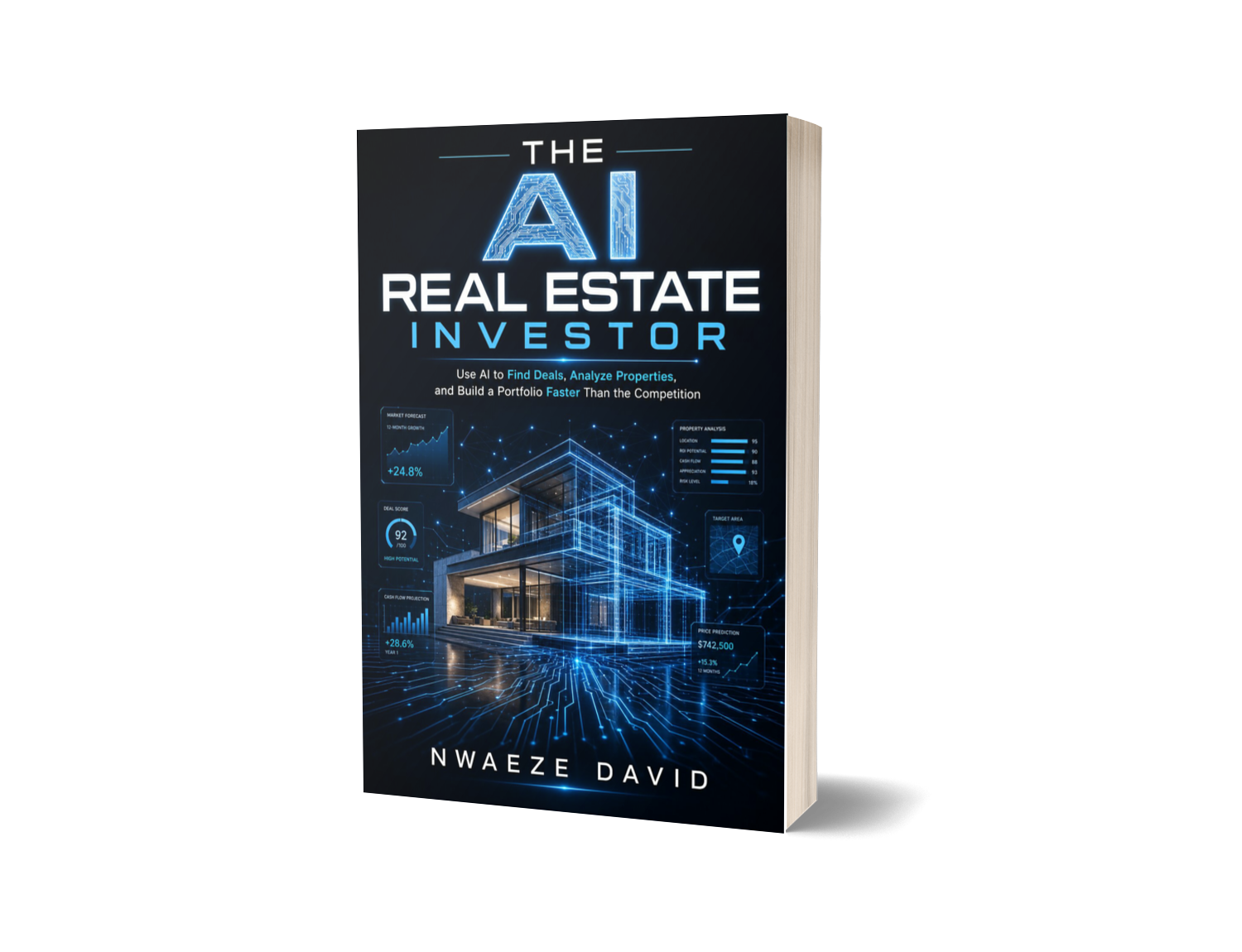
AI & Automation
The AI Real Estate Investor
"The AI Real Estate Investor gives you that system. It shows you exactly how to point AI at the parts of your business that actually make money."
Get Your Copy →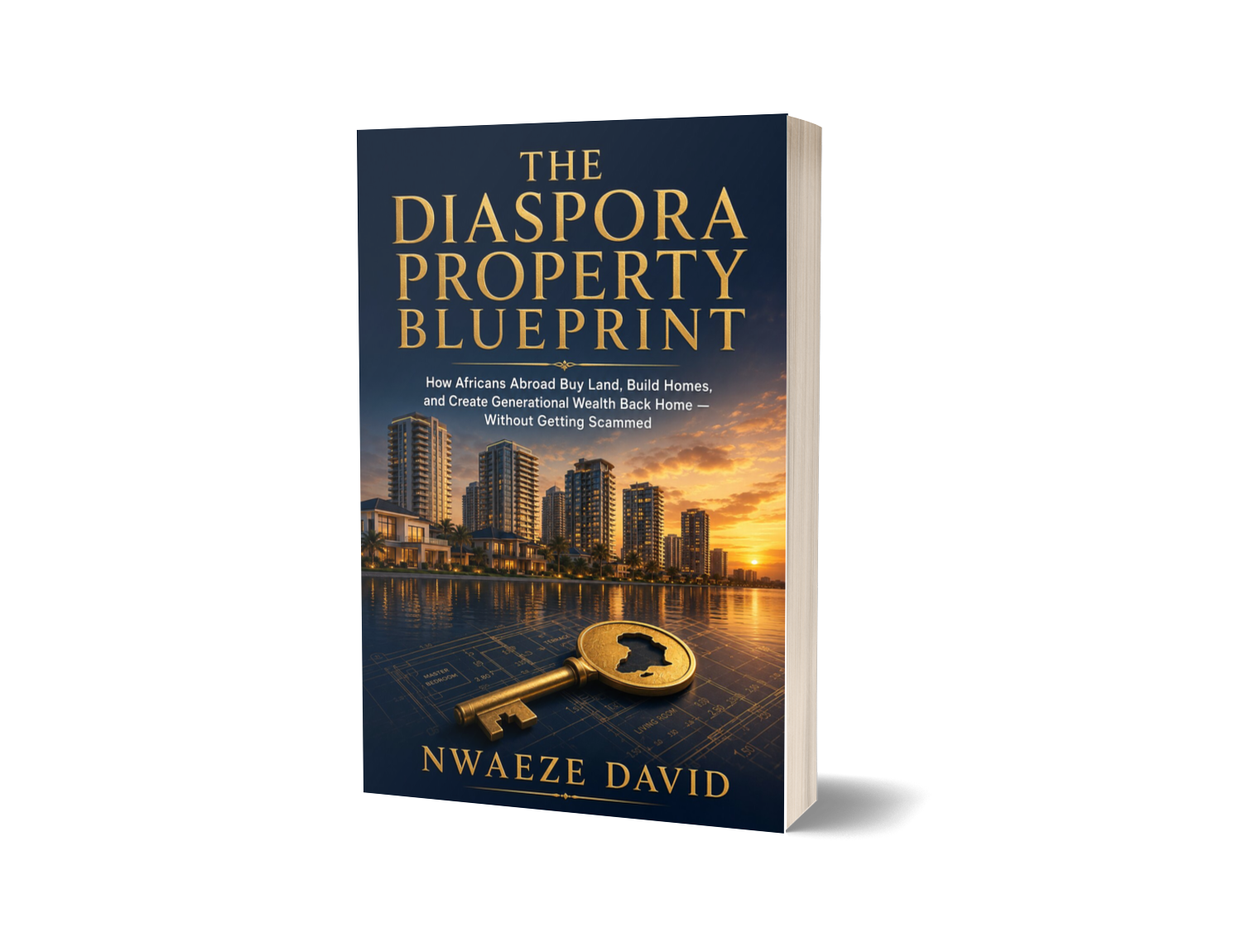
Diaspora & Africa
The Diaspora Property Blueprint
"The Diaspora Property Blueprint is the complete, step-by-step system for buying land and building wealth back home safely, from anywhere in the world."
Get Your Copy →Get straight answers on property and building wealth
Join the newsletter for clear, no-hype guidance on buying, selling, and building wealth through property, then step inside the private community where we go deeper on the real strategy behind smart real estate moves.
Keep learning: first-time home buyer guide · closing costs explained · how to negotiate when buying a house · how to sell your house fast for the best price · should you buy or rent a home?.
Education only, not financial or legal advice. Commission rules, closing costs, and buying procedures described here are largely US-focused and vary by state and country, and they change over time. Confirm current figures and local requirements, and work with a licensed agent, lender, and where needed an attorney, before making a decision.
