A first-time home buyer guide should tell you the truth about how long this actually takes, not just list eight steps and wish you luck. Here is the realistic timeline, the honest prep work, and the order that actually works.
What's Inside

A first-time home buyer guide that skips the timeline is doing you a disservice. Most first-time buyers take four to eight months from serious start to keys in hand, meaningfully longer than the two to three months an experienced buyer might need, and most of that gap has nothing to do with the market and everything to do with unfamiliarity, more time spent preparing finances, more homes toured before deciding, and slower decisions once under contract.
This guide covers the realistic timeline phase by phase, an honest readiness check before you start, and the full process in order, with links to the deeper guide on each individual step.
Quick honesty note
This is education, not financial advice. Timelines, down payment statistics, and program details shift and vary by market. Every home purchase is different; treat these ranges as planning guides, not guarantees.
The Short Answer
The Realistic Timeline

Swipe to see more →
| Phase | Typical duration | What happens |
|---|---|---|
| Financial preparation | 1-3 months (longer if starting from scratch) | Credit check and cleanup, saving, budgeting, getting pre-approved |
| Active house hunting | ~10 weeks median | Touring homes, refining what you actually want, making offers |
| Accepted offer to closing | 30-60 days | Inspection, appraisal, final underwriting, closing disclosure review |
One honest reality check: the average American in recent data needed around seven years to save a full down payment from scratch. If you have not started saving yet, that preparation phase, not the house hunting or closing, is very likely your real starting line.
One federal rule worth knowing regardless of how fast everything else moves: lenders must give you the Closing Disclosure at least three business days before you sign, by law. This creates a hard floor on the very end of your timeline that no amount of urgency can compress.
Are You Actually Ready to Buy?

- You plan to stay put for a while. Buying rarely makes sense financially if you might move within a couple of years, once you count closing costs on both ends.
- You have stable income and a real emergency reserve separate from your down payment funds.
- Your credit is in reasonable shape, or you have a specific plan to improve it before applying.
- You have budgeted for more than the down payment, including closing costs, moving expenses, and reserves lenders want to see after closing.
If you are still weighing whether buying beats renting for your specific situation, work through that decision first in should you buy or rent a home?.
The Full Process, Step by Step
- Check and strengthen your credit. Pull your reports, dispute errors, and pay down revolving balances before you apply for anything.
- Get pre-approved before you shop. This sets your real budget and makes your offers credible. Compare lenders through a marketplace like LendingTree, and see how to get pre-approved for a home loan and best mortgage lenders for first-time buyers.
- Know your real budget. Not just what a lender approves, but what you can comfortably afford. See how much house can i afford?.
- Find an agent and tour homes. Expect around ten weeks of active searching, and expect your criteria to shift as you see real properties, not just listing photos.
- Make an offer and put down earnest money. Your deposit shows you are serious and gets held in escrow. See what is earnest money and how does it work? and how to negotiate when buying a house.
- Get a home inspection. Never skip this, even in a competitive market. See home inspection checklist for buyers.
- Appraisal and final underwriting. Your lender confirms the home's value and finalizes your loan.
- Review your Closing Disclosure and close. By law, you get this at least three business days before signing. Read every number. Full cost breakdown in closing costs explained.
For the fuller picture including the selling side of the transaction, see the cluster hub: buying and selling a home.
First-Time Buyer Programs and Grants
Being a "first-time" buyer for program purposes usually just means you have not owned a home in the past three years, not that you have literally never owned one. Worth checking directly, since it is not always obvious:
- FHA loans. Accept down payments as low as 3.5% with a 580+ credit score.
- Lender-specific grants. Several major lenders offer down payment or closing cost grants specifically for first-time buyers, often not advertised prominently.
- State and local assistance programs. Many offer grants or low-interest second loans stackable with your primary mortgage.
- Mortgage Credit Certificates. A tax credit some first-time buyers qualify for through certain state programs, separate from the loan itself.
What's Different as a First-Timer
Beyond the paperwork, first-time buyers face a few specific challenges repeat buyers have already learned to manage: the unfamiliar jargon at every step, the temptation to fall for a home emotionally before the inspection confirms it is sound, and the slower decision-making that comes from doing all of this for the first time. None of this is a character flaw, it is exactly why building extra time into your timeline matters more for a first purchase than a fifth one.
Common Mistakes (and How to Dodge Them)
- Starting the house search before pre-approval. You will not know your real budget, and your offers will carry less weight.
- Underestimating the financial prep phase. If you have not started saving, this is very likely your longest phase, not closing.
- Skipping the inspection to compete. The one step almost every experienced buyer says never to skip.
- Not budgeting beyond the down payment. Closing costs, moving expenses, and post-closing reserves add up fast.
- Expecting the timeline to compress under pressure. The three-business-day disclosure review is a legal floor, not a suggestion.
Frequently Asked Questions
How long does it take to buy your first home?
Most first-time buyers take four to eight months from serious financial preparation to closing day, longer than the two to three months an experienced buyer might need. This breaks down into roughly one to three months of financial prep and pre-approval, about ten weeks of active house hunting, and thirty to sixty days from an accepted offer to closing.
What is the first step in buying a house?
Checking and strengthening your credit, then getting pre-approved for a mortgage, should come before you start touring homes. Pre-approval tells you your real budget, signals to sellers that your offer is serious, and surfaces any credit or income issues while you still have time to address them.
How much should I save before buying my first home?
Beyond your down payment, budget for closing costs (commonly 2% to 5% of the purchase price), moving expenses, and reserves many lenders want to see after closing, often two to six months of mortgage payments. On a $300,000 home, total cash needed can run well above the down payment alone once these are included.
Am I still a first-time home buyer if I owned a home years ago?
Often yes. Most first-time buyer programs define eligibility as not having owned a home in the past three years, not as never having owned one at all. It is worth checking specific program rules directly, since this eligibility detail is not always obvious.
What is the biggest mistake first-time buyers make?
Starting to shop for homes before getting pre-approved is one of the most common, since it means shopping without knowing your real budget and submitting offers that carry less weight with sellers. Underestimating how long the financial preparation phase takes, especially if saving from scratch, is another common and costly miscalculation.
Can the closing process be sped up if I'm in a hurry?
Only to a point. Federal law requires lenders to provide the Closing Disclosure at least three business days before you sign, which sets a hard floor on the final stretch of the timeline. Appraisal scheduling and underwriting also take time that generally cannot be rushed regardless of urgency.
Give the Process the Time It Actually Needs
A first-time home buyer guide is only useful if it tells you the truth about the timeline. Budget four to eight months, start with your finances and pre-approval before you ever tour a home, and treat the inspection and disclosure review as non-negotiable steps, not slowdowns to route around. Do that, and your first purchase becomes a process you controlled, not one that controlled you.
Take This Further
Books by Nwaeze David to help you build real wealth through property.
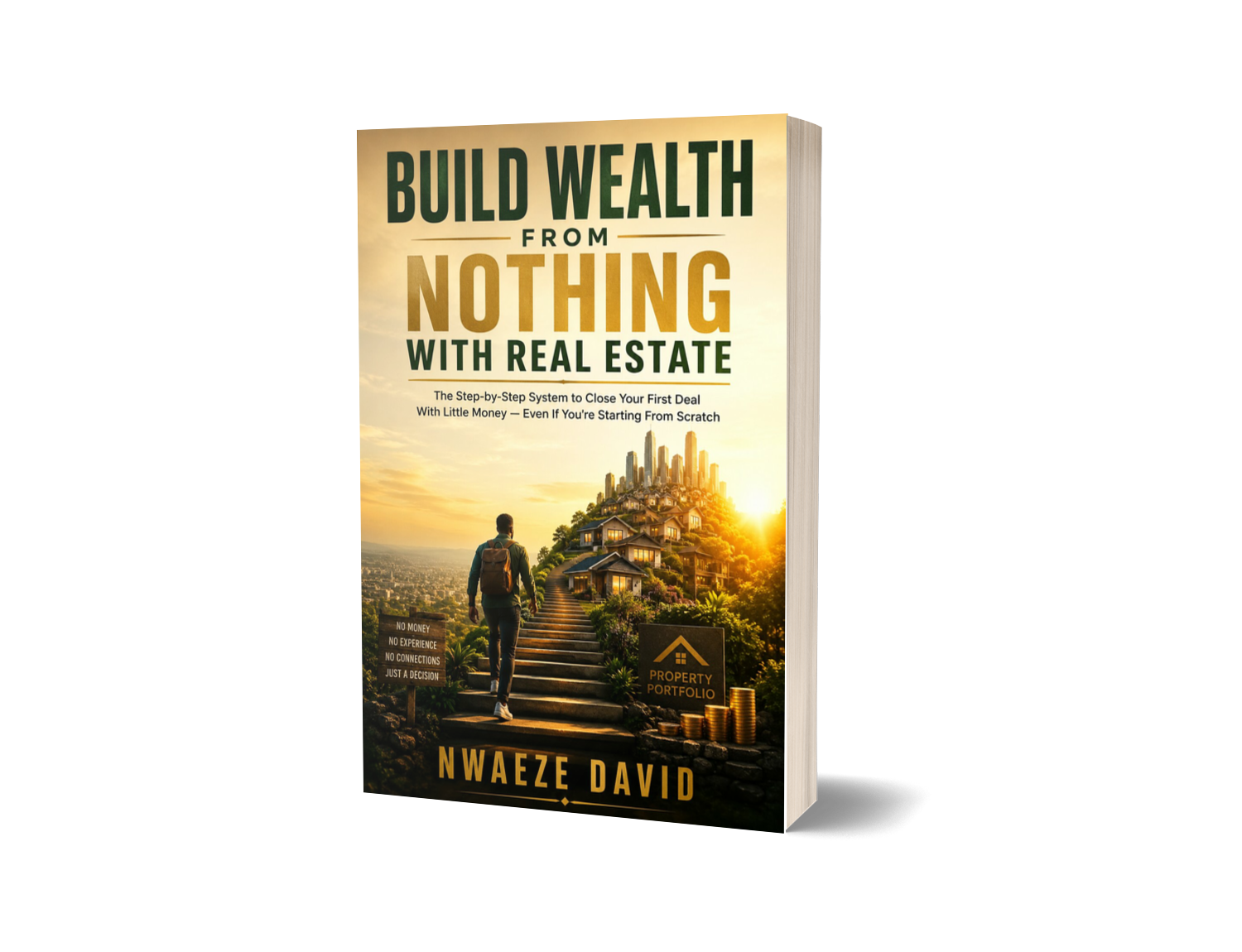
"You don't need a big deposit, perfect credit, or family money to build wealth in real estate. You need a system, the resourcefulness to work it, and the courage to start."
Get Your Copy →
"The AI Real Estate Investor gives you that system. It shows you exactly how to point AI at the parts of your business that actually make money."
Get Your Copy →
"The Diaspora Property Blueprint is the complete, step-by-step system for buying land and building wealth back home safely, from anywhere in the world."
Get Your Copy →Get help planning your first purchase properly
Join the newsletter for practical, no-hype breakdowns of the home buying process, then step inside the private community where we help first-time buyers plan a realistic timeline and avoid the common early mistakes.
Keep learning: buying and selling a home · how to get pre-approved for a home loan · closing costs explained · home inspection checklist for buyers · should you buy or rent a home?.
Education only, not financial advice. Timelines, savings statistics, and program details are illustrative and vary by market and individual circumstance; figures here are marked for verification where noted. Speak to a licensed lender and real estate agent to build a realistic plan for your specific situation.

Written by
Nwaeze David
Nigerian digital entrepreneur, educator and author of three real estate books. He writes practical, honest guides for new investors, working realtors and Africans building back home from abroad.