
A home inspection checklist is not just a list of things that get checked, it is a decision-making tool. Here is exactly what an inspector actually covers, the things they don't, and how to turn the report into real money at closing.
What's Inside

A home inspection checklist matters because 86% of inspections turn up at least one issue, and buyers who actually use those findings to negotiate save an average of $14,000.
This guide covers what a standard inspection checks system by system, what it deliberately does not cover, and how to use the report as a real negotiating tool rather than just a formality on the way to closing.
Quick honesty note
This is education, not legal or engineering advice. Costs, statistics, and what a "standard" inspection covers vary by inspector, region, and property type.
This checklist is a guide to understanding your inspector's work, not a replacement for the actual report they provide.
The Short Answer
In short: A standard home inspection examines the structure, roof, exterior, electrical, plumbing, HVAC, and interior of a home, takes two to four hours, and costs $300 to $500 for a typical single-family home.
It does not cover environmental hazards like mold, asbestos, or radon, detached structures like sheds or pools, or invasive testing, all of which need separate specialized inspections if you want them checked.
The Actual Checklist, by System

- Structure and foundation. Cracks indicating settling or movement, moisture intrusion, improper modifications.
- Roof. Age, material condition, signs of leaks, flashing, gutters.
- Exterior and grounds. Grading and drainage, driveways, walkways, siding condition.
- Electrical. Panel capacity and condition, visible wiring type and age, GFCI protection where required.
- Plumbing. Visible pipe material and condition, water heater age and condition, functional flow and drainage.
- HVAC. Age and condition of heating and cooling systems, basic function testing.
- Attic and insulation. Ventilation adequacy, visible insulation condition, signs of moisture or pest activity.
- Interior. Windows, doors, visible signs of water damage, walls, ceilings, and floors.
This is not exhaustive, and it is not a substitute for the specific checklist your inspector provides. Use it to understand what you are paying for and to ask informed questions during the walkthrough.
What a Standard Inspection Costs
Swipe to see more →
| Factor | Typical impact on cost |
|---|---|
| National average (2026) | $343-$350, most buyers pay $296-$424 |
| Small home / condo (under 1,000 sq ft) | $200-$250 |
| Large home (3,000+ sq ft) | $450-$500+ |
| High-cost states (CA, WA, NY, MA) | $450-$650+ |
| Specialized add-ons (radon, mold, sewer scope) | $75-$650 each |
The inspection takes roughly two to four hours, and a full written report typically arrives within 24 hours. Attending in person, if your schedule allows, lets you ask questions and see issues firsthand rather than only reading about them later.
What Inspectors Don't Check

The gaps that surprise buyers most
- Environmental hazards. Mold, asbestos, and radon require separate specialized testing, a standard inspection does not include them.
- Detached structures. Sheds, detached garages, pools, and hot tubs are often excluded from the standard scope. Ask your inspector directly and expect an added fee if you want these covered.
- Invasive or destructive testing. Inspectors do not cut into walls, move furniture, or dismantle systems to look deeper.
- Current code compliance. Older electrical, plumbing, or structural elements may be "grandfathered" and not flagged even if they would not meet today's code.
If any of these matter for your specific property, especially an older home, one near known environmental risks, or one with a pool or septic system, budget for the relevant add-on inspection upfront rather than assuming the standard report has you covered.
"But It's a New Build" - Why You Still Need One
One of the most common and costly assumptions buyers make is skipping the inspection on a new build. Research from the National Association of Realtors found that 65% of new construction homes had issues uncovered during inspection. A builder's own final walkthrough is not a substitute for an independent inspector working for you specifically.
Deal-Breakers vs Negotiable Issues
Not every item on an inspection report carries the same weight.
- Common deal-breakers: major structural or foundation damage, extensive water damage, active mold, faulty electrical systems, roof failure, and safety hazards like carbon monoxide or fire risks.
- Often negotiable: cosmetic wear, minor plumbing fixture issues, aging but functional systems, and items already reflected in the agreed price.
Foundation repairs alone can average around $5,165 and reach $20,000 or more for serious problems, which is why structural issues specifically often warrant a licensed structural engineer's evaluation before you decide how to proceed.
How to Use the Report to Negotiate
- Proceed as planned if issues found are minor or already reflected in the agreed price.
- Ask the seller to fix specific items before closing, most common for safety-related issues.
- Request a price reduction or closing credit to handle repairs yourself after closing.
- Walk away using your inspection contingency if major issues surface and the seller will not negotiate, recovering your earnest money in the process.
Request credits, not repairs, above roughly $500
When a repair costs more than a few hundred dollars, ask for a price reduction or closing credit rather than asking the seller to fix it themselves.
Sellers facing a repair request often hire the cheapest available contractor to satisfy it quickly; a credit lets you choose the quality of work yourself.
Only about 46% of buyers actually use their inspection results to negotiate at all, which leaves real, documented leverage sitting unused.
For the fuller negotiation playbook beyond just the inspection findings, see how to negotiate when buying a house, and for what happens to your deposit if you walk away, see what is earnest money and how does it work?.
Common Mistakes (and How to Dodge Them)
- Skipping the inspection to compete in a hot market. The risk you take on rarely justifies the edge it gives your offer.
- Assuming new construction doesn't need one. The data says otherwise, and often significantly so.
- Not asking what is excluded from the standard scope. Detached structures and environmental hazards are common, expensive blind spots.
- Asking for repairs instead of credits on larger items. A credit protects your control over who does the work and how well.
- Not attending the inspection if you can. Seeing issues firsthand and asking questions in real time beats reading about them later in a report alone.
FAQs about Home Inspection Checklist for Buyers
What does a home inspection actually check?
A standard home inspection examines the structure and foundation, roof, exterior and grounds, electrical system, plumbing, HVAC, attic and insulation, and interior components like windows, doors, and visible signs of water damage. The exact scope varies by inspector, so confirm what is included before the inspection.
How much does a home inspection cost in 2026?
The national average is around $343 to $350, with most buyers paying between $296 and $424 for a typical single-family home.
Cost varies significantly by home size, age, and location, with larger homes and high-cost states like California or New York often running $450 to $650 or more.
What does a home inspection not cover?
Standard inspections typically exclude environmental hazards like mold, asbestos, and radon, which require separate specialized testing.
They also often exclude detached structures like sheds, garages, pools, and hot tubs unless specifically requested and paid for, and inspectors do not perform invasive testing or check strict current code compliance on older, grandfathered systems.
Do I need an inspection on a new construction home?
Yes. Research has found that a majority of new construction homes had issues uncovered during an independent inspection, meaning a builder's own final walkthrough is not an adequate substitute.
An independent inspector works exclusively for your interests, not the builder's.
What are the biggest deal-breakers on a home inspection?
Major structural or foundation damage, extensive water damage, active mold, faulty electrical systems, roof failure, and safety hazards like carbon monoxide or fire risks are the most common deal-breakers.
Cosmetic wear and minor, already-priced-in issues are typically more negotiable than walk-away material.
Should I ask for a repair or a credit after a home inspection?
For larger repair costs, commonly above a few hundred dollars, a price reduction or closing credit is often the better choice, since it lets you control the quality of the repair work rather than relying on whichever contractor the seller chooses to satisfy the request quickly.
Let the Report Do Its Job
A home inspection checklist is worth understanding not because you need to memorize every line item, but because knowing what gets checked, and what doesn't, tells you exactly where your real leverage sits once the report comes back.
Use the findings deliberately: fix what is safety-critical, negotiate credits on the rest, and never skip this step to win a competitive offer.
Take This Further
Books by Nwaeze David to help you build real wealth through property.
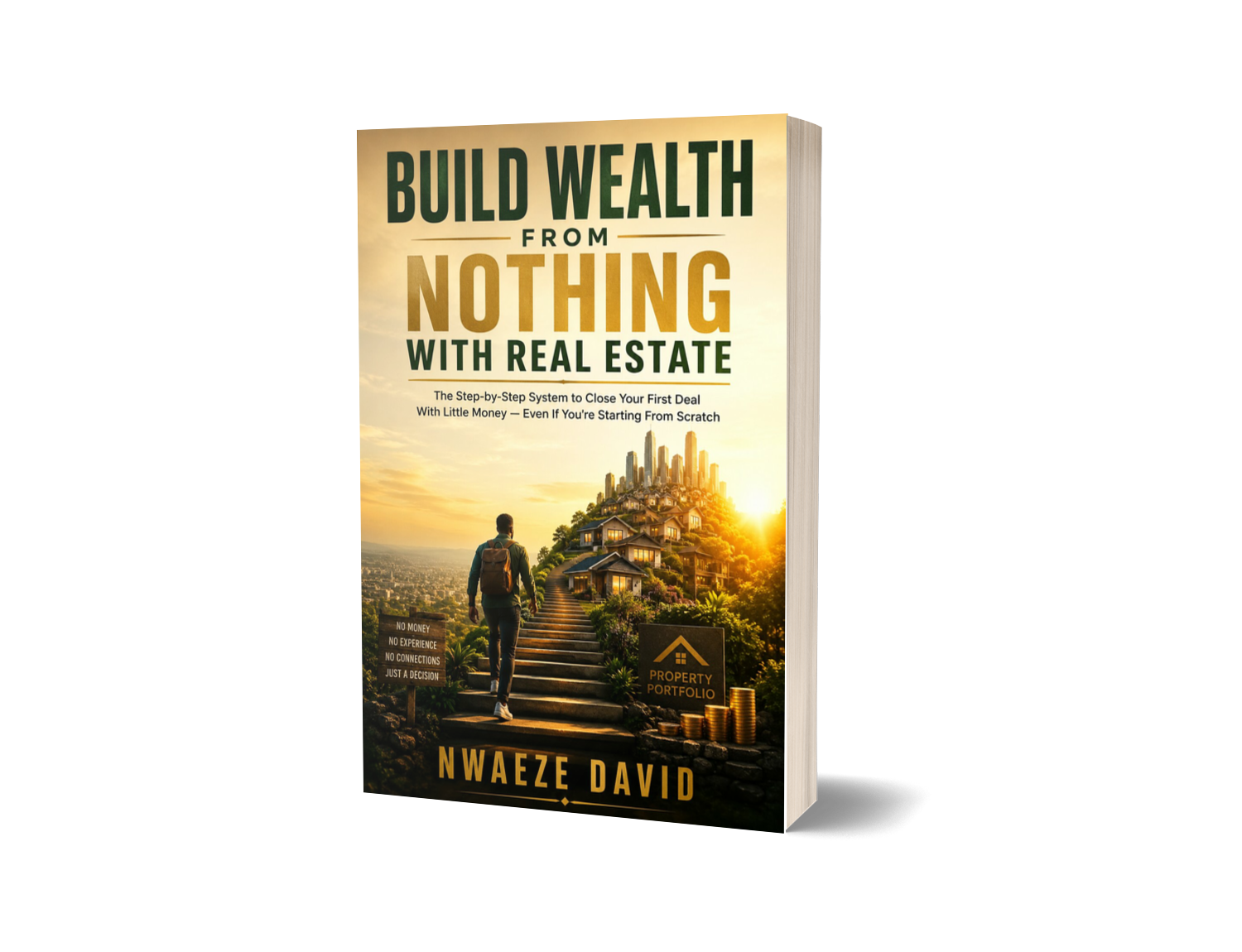
"You don't need a big deposit, perfect credit, or family money to build wealth in real estate. You need a system, the resourcefulness to work it, and the courage to start."
Get Your Copy →
"The AI Real Estate Investor gives you that system. It shows you exactly how to point AI at the parts of your business that actually make money."
Get Your Copy →
"The Diaspora Property Blueprint is the complete, step-by-step system for buying land and building wealth back home safely, from anywhere in the world."
Get Your Copy →Get help reading your next inspection report
Join the newsletter for practical, no-hype breakdowns of the home buying process, then step inside the private community where we help buyers turn inspection findings into real negotiating leverage.
Keep learning: first-time home buyer guide · how to negotiate when buying a house · what is earnest money and how does it work? · closing costs explained · buying and selling a home.
Education only, not legal or engineering advice. Inspection costs, scope, and statistics cited are illustrative and vary by inspector, region, and property type; figures here are marked for verification where noted. Speak to a licensed home inspector and real estate agent for guidance specific to your property and transaction.

Written by
Nwaeze David
Nigerian digital entrepreneur, educator and author of three real estate books. He writes practical, honest guides for new investors, working realtors and Africans building back home from abroad.


