
Wholesaling real estate genuinely doesn't require a down payment or a mortgage, but "no money down" has never meant "no money," and the legal ground underneath it has shifted meaningfully in the last two years.
What's Inside

Wholesaling real estate lets you profit from a property deal without ever owning the property, buying it, or financing it, but that genuine "no money down" appeal has attracted more regulatory attention in the last two years than at any point before. This builds on the broader deal-strategy landscape covered in real estate deal strategies with the specific mechanics and current legal picture.
Quick honesty note
This is education, not legal advice. Wholesaling regulation is genuinely fast-moving and varies significantly by state; state-specific details below change over time. Consult a real estate attorney in your specific state before your first deal.
The Short Answer
How It Actually Works

You sign a purchase agreement with a seller, say at $100,000, that includes language explicitly allowing you to assign the contract. You then find an investor or cash buyer willing to close on the property, say at $115,000. You assign your contractual rights to that buyer using a separate Assignment Contract, and they pay you the $15,000 difference as your assignment fee at closing. The original seller still closes at the original $100,000; you're never on title, and you never take on financing.
Why this is legally different from brokering a sale
Signing the purchase agreement gives you a genuine, legally recognized equitable interest in the property, thanks to a legal principle called equitable conversion. What you're actually selling to the end buyer is that interest, your own position in a contract you're already a party to, not facilitating a sale between two unrelated strangers the way a broker does. That distinction is the legal foundation the entire wholesaling model rests on.
Assignment fees vary widely by market, property type, and local practice, but commonly range from a few thousand dollars to well over $20,000 per deal.
The Legal Ground Has Shifted

The "legal everywhere" framing is now outdated
No state has fully banned wholesaling as of 2026, but the days of treating it as a universal gray area are genuinely ending. Since 2024, a wave of state laws has placed wholesaling under license law or disclosure mandates in specific states. South Carolina's H4754, signed in 2024, treats marketing another person's property for compensation as brokerage activity, effectively requiring a license for wholesaling as most people practice it there.
Oklahoma's Predatory Real Estate Wholesaler Prohibition Act similarly requires a license to publicly market properties you don't own. Other states, including Ohio and Maryland, have instead chosen a disclosure model, where the practice remains lawful provided specific disclosure and cancellation-rights paperwork is done correctly. Texas requires disclosure under SB 1577 without prohibiting the activity outright.
A useful, specific nuance from South Carolina's approach: the restriction there specifically targets advertising a property you don't own, while the private assignment itself, done directly with a known buyer rather than public marketing, remains lawful. Whether you need a license in most states still depends heavily on specifics, and in most jurisdictions, simply assigning a contract you're already a party to isn't considered brokerage. But that's increasingly the exception being carved out by newer laws, not a universal default you can assume applies to you.
Market the Contract, Not the Property
Given how many of the newer state restrictions specifically target marketing a property you don't own, a genuinely useful compliance habit is framing your outreach around the contract position you hold rather than the property itself. Use attorney-drafted contracts, always include an explicit assignment clause, disclose your equitable interest in writing to any potential end buyer, and escrow earnest money with a neutral third party rather than holding it yourself. None of this eliminates the need to check your specific state's current rules directly, but it's a meaningfully more defensible practice than the looser approach many older wholesaling guides still describe.
What "No Money Down" Actually Costs
The absence of a down payment or mortgage is real and genuinely differentiates wholesaling from buying property outright. But treating this as a truly cost-free entry point misrepresents what it actually takes: finding motivated sellers requires consistent outreach, often skip-tracing tools and dialing software with real subscription costs, and earnest money is typically still required to demonstrate serious intent when you sign a purchase contract, even though you're not financing a purchase. The honest expectation for a first deal is measured in months of sustained effort, not a quick weekend win.
Common Mistakes (and How to Dodge Them)
- Assuming wholesaling is legal everywhere with no restrictions. Several states have moved to license requirements or mandatory disclosure since 2024; check your specific state's current law directly.
- Publicly marketing a property you don't own. This is exactly the activity several newer state laws target; market your contract position instead where your state's rules require it.
- Treating "no money down" as "no expenses at all." Skip tracing tools, marketing, and earnest money are real, ongoing costs even without a down payment or mortgage.
- Using a vague or non-attorney-drafted contract. A weak assignment clause or missing disclosure language is a genuine legal liability, not a minor paperwork detail.
- Expecting a first deal within weeks. Realistic timelines run to months of consistent outreach before a first deal closes.
Frequently Asked Questions
Is wholesaling real estate legal?
No state has fully banned it as of 2026, but it's no longer a universal gray area. Several states now require a license or specific disclosure depending on how you operate, so checking your specific state's current law is essential.
Do I need a real estate license to wholesale?
In most states, no, simply assigning a contract you're already a party to isn't considered brokerage. But a growing number of states now require a license specifically when you publicly market a property you don't own.
How much can I make wholesaling a single deal?
Assignment fees commonly range from a few thousand dollars to well over $20,000 per deal, depending on market, property type, and local practice.
Does wholesaling really require no money at all?
It requires no down payment or mortgage, but real costs still apply, including skip tracing tools, marketing, dialing software, and earnest money to demonstrate serious intent on a contract.
What's the difference between wholesaling and brokering a sale?
A wholesaler sells their own equitable interest in a contract they're already a party to. A broker facilitates a sale between two unrelated parties, which requires a license.
Why did South Carolina and Oklahoma pass new wholesaling laws?
Both target publicly marketing a property you don't own as brokerage activity requiring a license, part of a broader, ongoing wave of state-level wholesaling regulation since 2024.
Know the Mechanics and the Current Rules
Wholesaling real estate genuinely offers a way into the industry without a down payment or mortgage, built on the legitimate legal foundation of equitable interest and contract assignment. But the regulatory picture has moved meaningfully since 2024, and treating older "it's legal everywhere" content as still fully accurate is a real risk. Know your specific state's current rules, market your contract position rather than the property itself, and budget honestly for the real costs this path still carries.
Take This Further
Books by Nwaeze David to help you build real wealth through property.
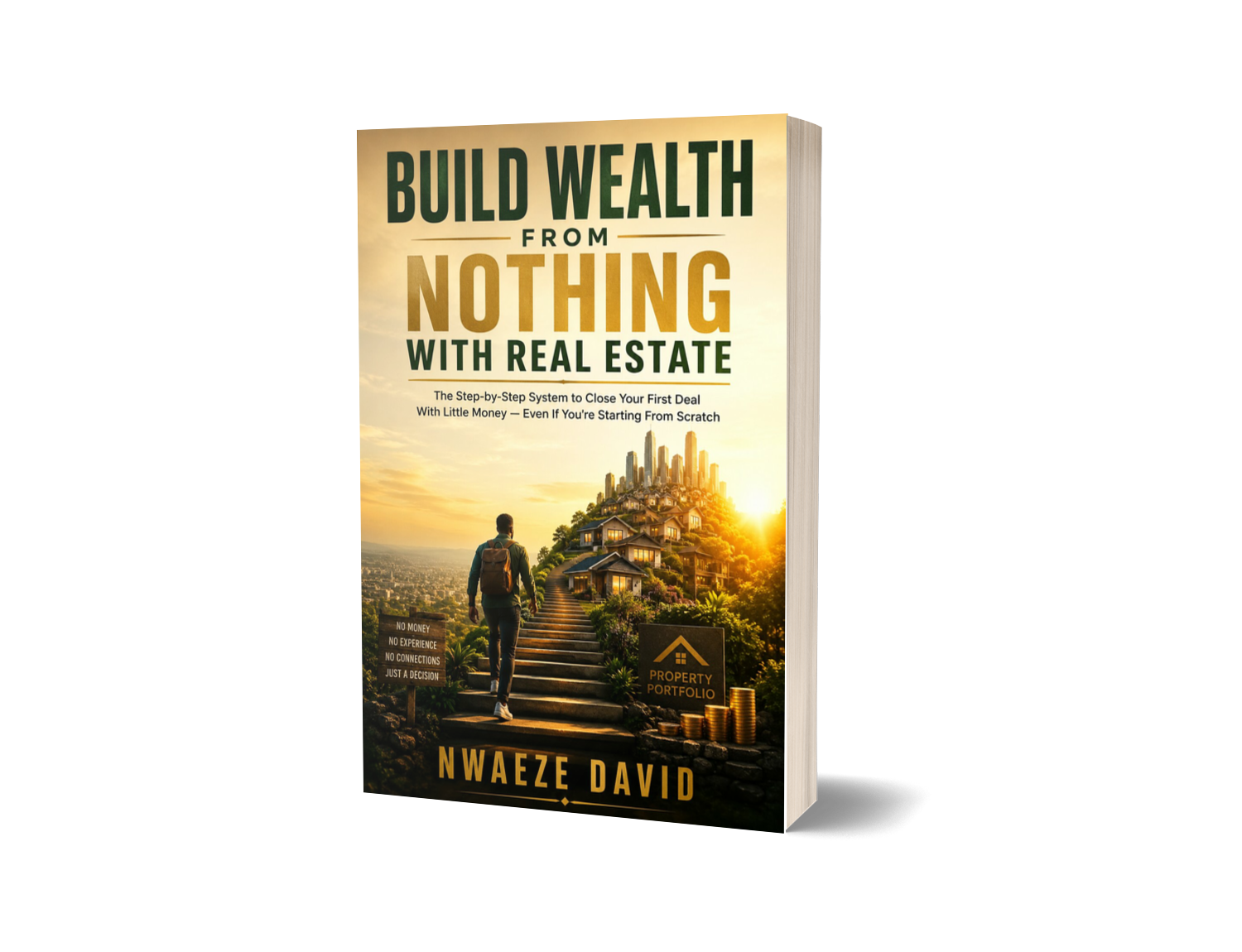
"You don't need a big deposit, perfect credit, or family money to build wealth in real estate. You need a system, the resourcefulness to work it, and the courage to start."
Get Your Copy →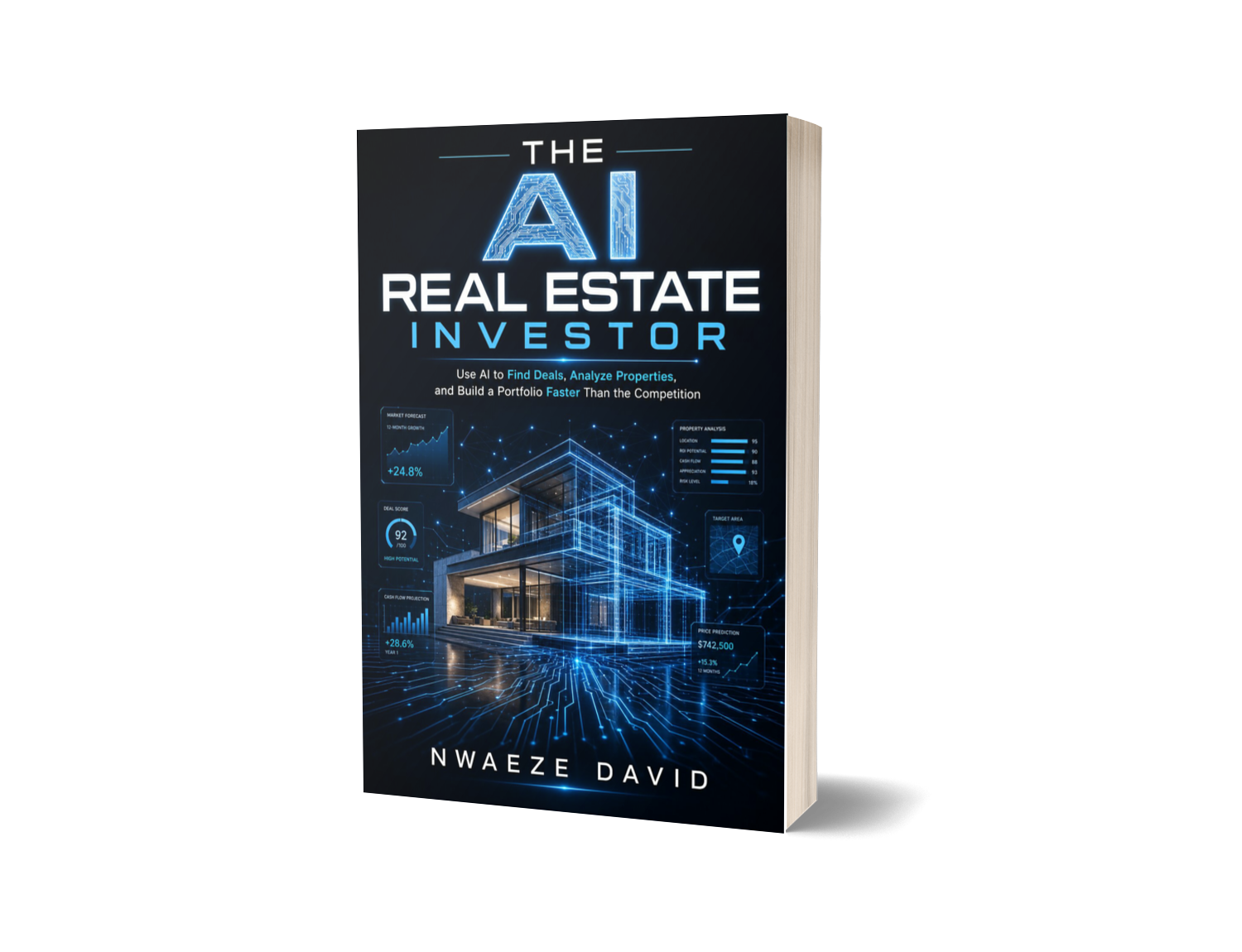
"The AI Real Estate Investor gives you that system. It shows you exactly how to point AI at the parts of your business that actually make money."
Get Your Copy →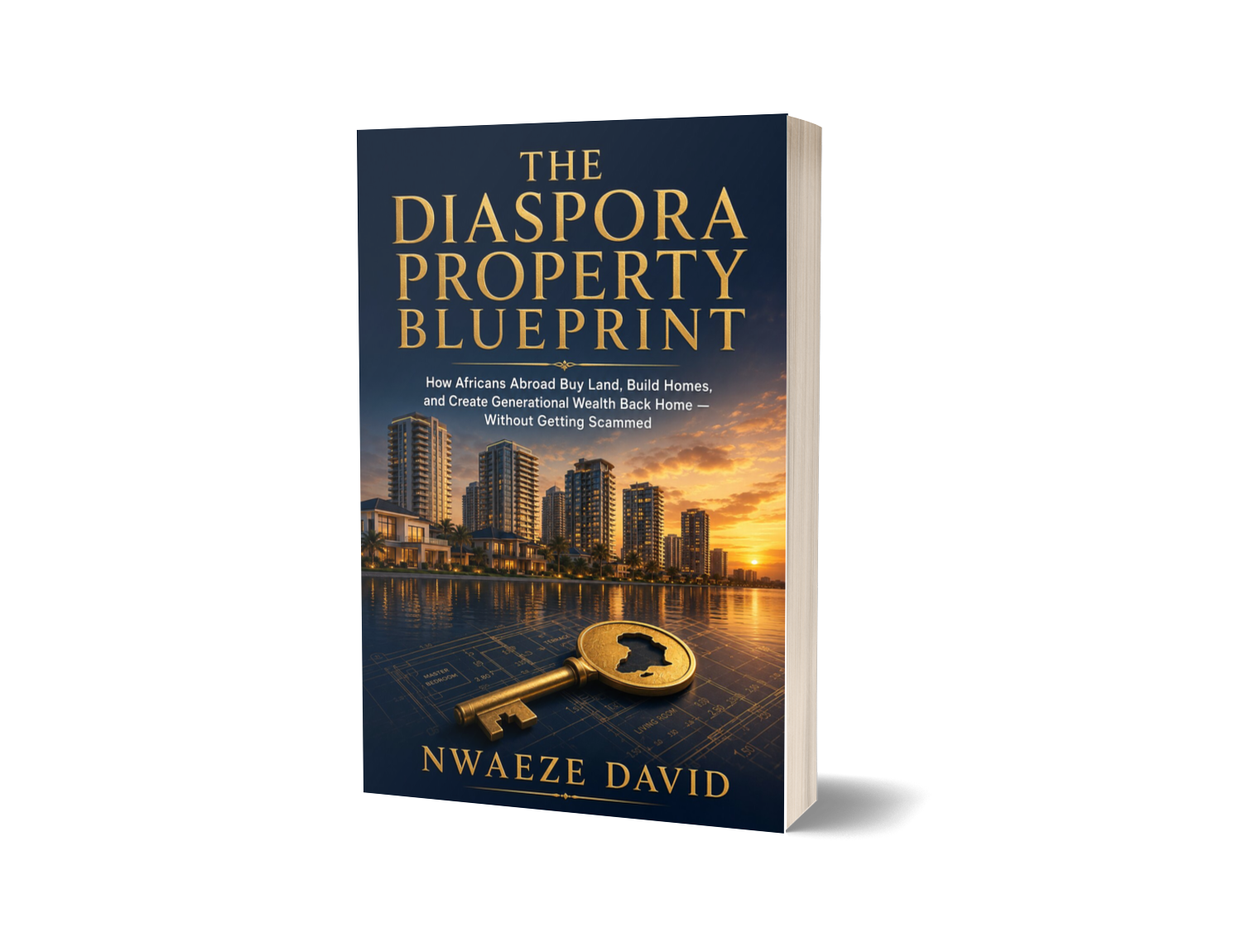
"The Diaspora Property Blueprint is the complete, step-by-step system for buying land and building wealth back home safely, from anywhere in the world."
Get Your Copy →Get help evaluating whether wholesaling fits your strategy
Join the newsletter for practical, no-hype breakdowns of real estate deal strategies, then step inside the private community where investors compare notes on what's actually working, and what's not, in their market.
Keep learning: real estate deal strategies · fix and flip · how to find off-market real estate deals.
Education only, not legal advice. State wholesaling law is actively evolving and varies significantly; details here are marked for verification where noted. Consult a licensed real estate attorney in your specific state before your first deal.
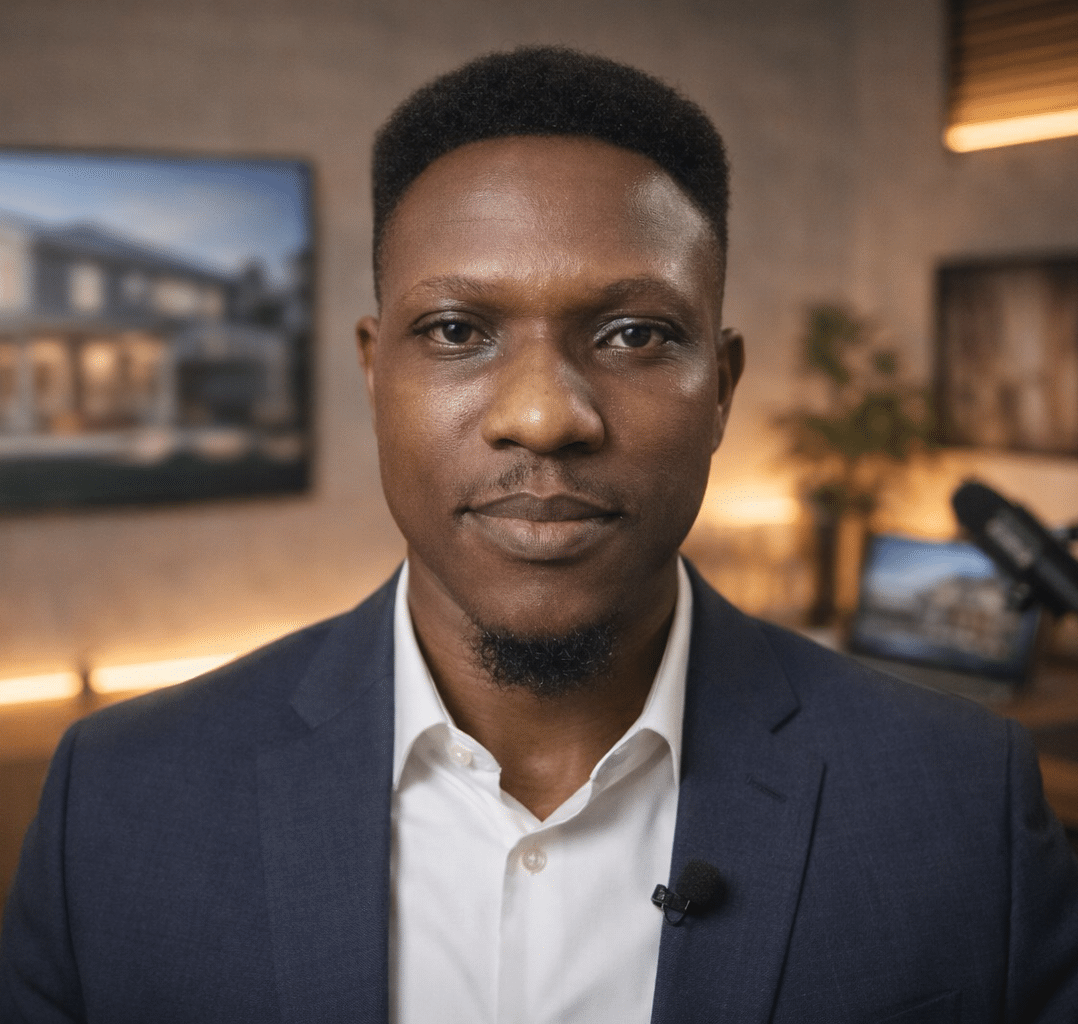
Written by
Nwaeze David
Nigerian digital entrepreneur, educator and author of three real estate books. He writes practical, honest guides for new investors, working realtors and Africans building back home from abroad.


